Suspension of ICC Chief Prosecutor Amid Controversy
Immediate Suspension amid Sexual Misconduct Investigation
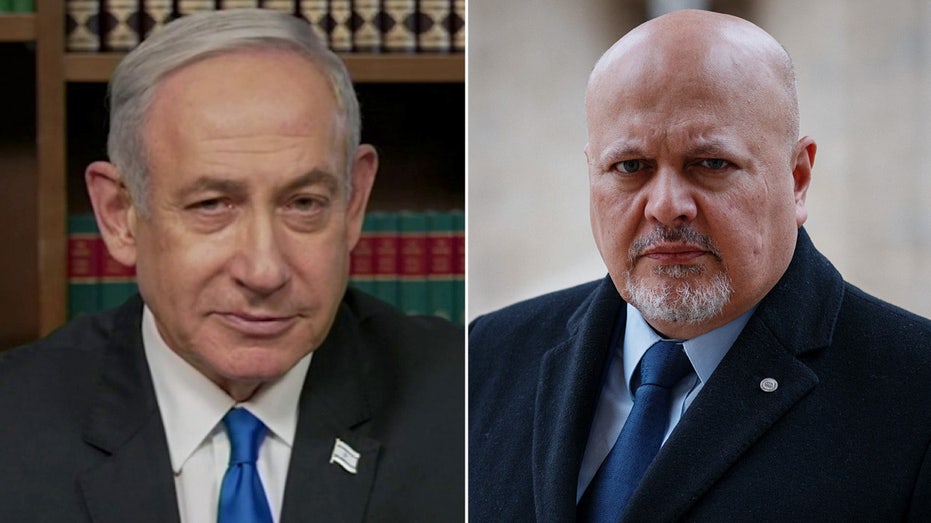
The International Criminal Court (ICC) has announced the immediate suspension of its chief prosecutor, Karim Khan, as disciplinary proceedings unfold regarding allegations of sexual misconduct. The ICC, based in The Hague, plays a critical role in prosecuting individuals for serious international crimes including genocide, war crimes, crimes against humanity, and aggression in situations where national jurisdictions fail to act.


Controversial Background
Karim Khan’s tenure has been marked by controversy, particularly following his issuance of arrest warrants for Israeli Prime Minister Benjamin Netanyahu and former Defense Minister Yoav Gallant. These actions attracted considerable international attention and backlash, particularly from Israel and the United States, both of which do not recognize the ICC’s jurisdiction.
Disciplinary Proceedings Triggered
The ICC’s Bureau referred the case to the Assembly of States Parties—the court’s governing body, composed of 125 member states—requesting a special session to address the matter. Khan, who has defended his actions and denies any wrongdoing, is facing scrutiny following an extensive 18-month investigation into allegations of nonconsensual sexual conduct involving a lawyer within his office.
Serious Allegations and Defense Strategy
While the investigation by the U.N. Office of Internal Oversight Services gathered evidence pointing to potential misconduct, a separate judicial review concluded that the evidence was insufficient to support a conviction. Despite this, the Bureau of the Assembly of States Parties determined that Khan had indeed committed serious misconduct and recommended his removal. The findings noted a breach of duty and a serious violation of professional conduct.
Implications of Suspension
The suspension is significant not just for Khan but also for the ongoing legal actions pertaining to Netanyahu and Gallant. Human Rights Watch’s international justice director, Liz Evenson, stressed the necessity for member states to approach the proceedings with gravity, highlighting the repercussions for the ICC’s credibility and function.
Political Reactions and International Ramifications
The implications of Khan’s suspension have triggered varied responses from international actors. Following the issuance of the arrest warrants in November 2024 at Khan’s behest, both Israel and the U.S. launched strong condemnations. The Trump administration even took the step of imposing sanctions on Khan in 2025, citing actions by the ICC that were deemed contrary to U.S. interests and those of its allies. These sanctions included asset freezes and travel bans, further complicating Khan’s situation.
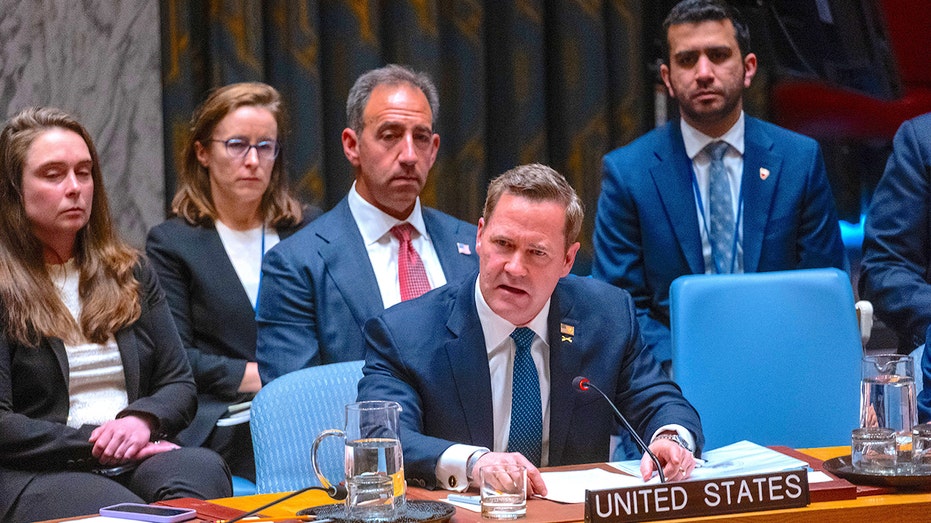
U.S. Ambassador to the United Nations, Mike Waltz, reaffirmed the nation’s commitment to opposing perceived overreach by the ICC against the U.S. and its allies. While he has opted not to comment directly on Khan’s ongoing proceedings, his administration’s actions highlight the geopolitical tensions surrounding the ICC.
Israeli Leadership’s Response
The suspension has amplified the rhetoric from Israeli officials, with Prime Minister Netanyahu labeling the ICC as corrupt and ineffective. Ambassador Danny Danon echoed these sentiments, arguing that the current situation underscores deeper issues within the court. Calls from Israeli officials for the dismissal of cases against their leaders have intensified, suggesting that Khan’s suspension could weaken the ICC’s case against them.
Impact on ICC’s Credibility
Legal and human rights advocates have expressed concerns over the credibility of the ICC in light of the Khan scandal. Anne Bayefsky, director for Human Rights Voices, has pointed out that Khan’s alleged misconduct may have been intended to deflect attention from the prosecutions directed at Israeli leaders rather than serving the court’s mandate. Such perceptions could undermine public trust in the ICC’s ability to carry out impartial justice.
Future of the ICC and Its Leadership
As the situation develops, the ICC has reiterated its commitment to maintaining impartial proceedings, recognizing victim rights, and ensuring the safety of its personnel. The assembly’s deliberation on Khan’s case will play a crucial role in shaping the future of the court’s leadership and its ongoing cases, particularly the controversial matters involving Netanyahu and Gallant.
Conclusion: A Watershed Moment for the ICC
The immediate suspension of Karim Khan marks a watershed moment for the International Criminal Court, raising pressing questions about its integrity and operational effectiveness. With the Assembly of States Parties set to review the evidence and implications of Khan’s alleged misconduct, the outcome will resonate well beyond the corridors of The Hague, potentially reshaping the landscape of international justice.