Germany’s Evolving Military Role in NATO
Part Six of a Series on NATO Challenges


Germany Steps Up Defense Efforts
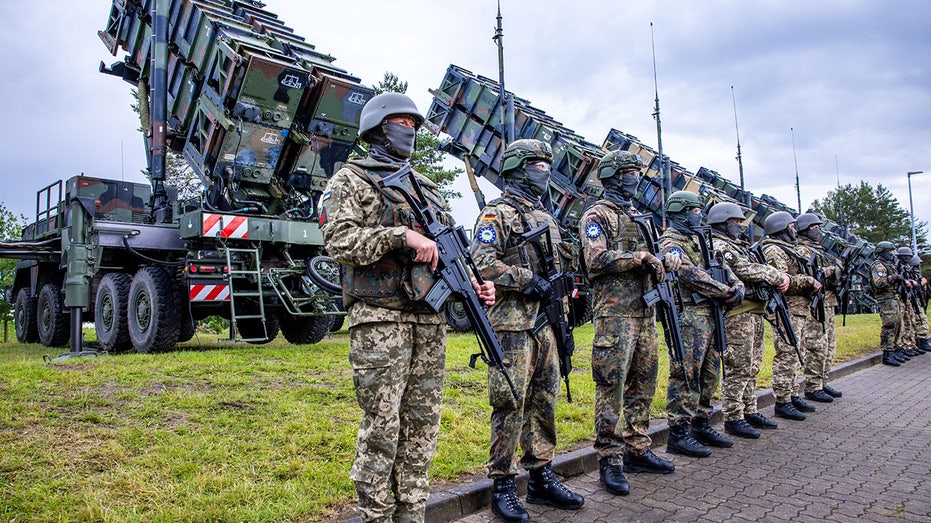
In a significant shift towards enhancing its military capabilities, Germany is stepping up its defense efforts with the aim of becoming a more formidable force within NATO. German Ambassador Jens Hanefeld has articulated this ambition, stating that the country aspires to take on greater responsibilities for European security. This initiative comes amid rising geopolitical tensions and the ongoing conflict in Ukraine, which has prompted a comprehensive reassessment of Germany’s defense posture, marking a notable departure from its post-World War II strategy of military restraint that heavily relied on U.S. support.
Chancellor Merz’s Ambitious Vision
Chancellor Friedrich Merz has made bold declarations about the future of Germany’s military. He proclaimed that Germany should strive to establish itself as Europe’s strongest conventional army, an objective aligned with Berlin’s new defense strategy. This shift not only reflects Germany’s increasing commitment to NATO but also underscores a political transformation that fosters a more assertive military presence on the European continent.
Reassessment of Defense Posture
The ongoing conflict in Ukraine has acted as a catalyst for Germany’s reevaluation of its military stance. Historically viewed as a nation that exercised restraint in military engagement, Germany’s evolving role signals a significant departure from its longstanding security reliance on the United States. The need for enhanced defense strategies is becoming increasingly apparent as Berlin recognizes the urgency of adapting to new security challenges arising in Europe.
Strained U.S.-Germany Relations
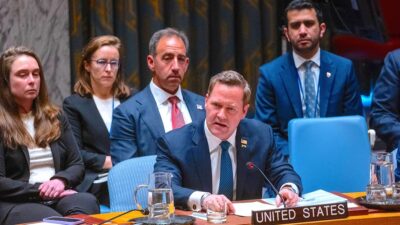
Chancellor Merz’s recent criticisms of U.S. strategies regarding Iran, along with his remarks on the social climate in America, have led to heightened tensions between Berlin and Washington. These strains have raised concerns about the potential impacts on transatlantic security cooperation. Retired Rear Admiral Mark Montgomery has emphasized the importance of Germany’s defense developments for NATO, cautioning that discord between the U.S. and Germany may influence vital security decisions, including the deployment of long-range strike capabilities.
A Stronger Defense Cooperation
Despite these tensions, cooperation within NATO remains robust. Germany’s defense spending is on the rise, reflecting its commitment to strengthening NATO’s eastern flank and contributing to Western security architecture. Berlin’s decision to boost military investments and recruitment is a testament to its dedication to meeting the challenges that face Europe in the current geopolitical climate.
Future Military Developments
Looking ahead, Germany is poised to enhance its military presence in Europe. Plans include setting up a permanent brigade in Lithuania, demonstrating Germany’s readiness to commit resources and personnel to bolster NATO’s eastern defenses. This strategic decision aligns with Germany’s long-term goal of taking on more responsibility for regional security while addressing the longstanding requests from the United States for European nations to do their part in defense initiatives.
A Transatlantic Foundation with European Growth
Ambassador Hanefeld has indicated that while NATO is poised to grow more European in its operations, it will continue to maintain a strong transatlantic foundation. This balances the need for European nations to enhance their defense capabilities while ensuring that NATO remains a united front against any potential threats. The evolution of Germany’s military role is not just a response to contemporary challenges; it is also a commitment to ensure that Europe is more secure and resilient.