Rising Violence and Insecurity in Nigeria’s Middle Belt
JOHANNESBURG — A troubling report by the U.S. Commission on International Religious Freedom (USCIRF) reveals that approximately 30,000 predominantly Muslim Fulani militants are actively contributing to heightened insecurity in Nigeria, along with ongoing violations of religious freedom. This violence is reported to have resulted in a staggering number of casualties among religious communities, surpassing the toll from organized insurgent groups like Boko Haram and ISWAP.


Fulani Militants Targeting Religious Communities
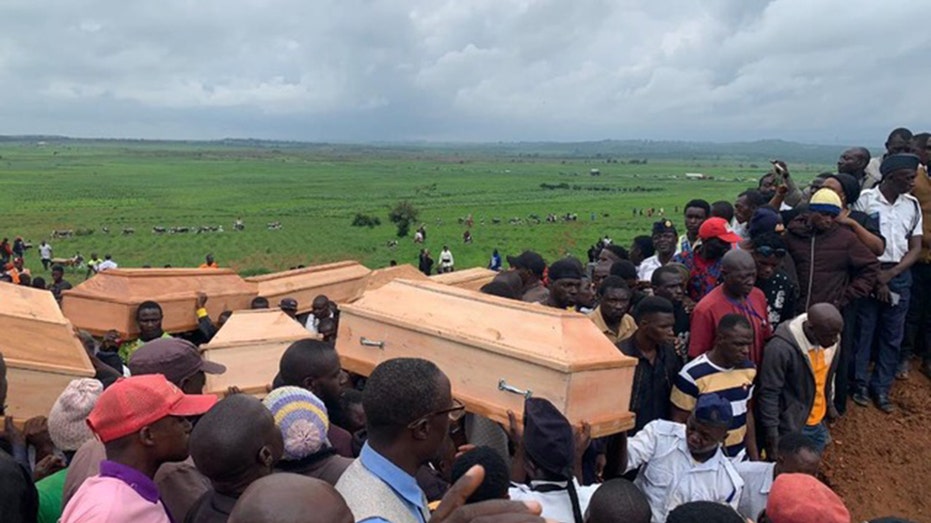
The USCIRF’s findings indicate that Fulani militants, primarily known as livestock herders, have increasingly focused their aggression on Christian farming communities located in Nigeria’s Middle Belt and gradually extending to the South. These attacks include burning homes and churches, kidnapping individuals, and perpetrating acts of rape and murder. The report presents a grim picture of the ongoing violence that continues to devastate these communities.
Expert Insights on Military Intervention
In light of these developments, Sterling Tilley, a former acting director within the Bureau of Counterterrorism, expressed skepticism about recent U.S. military strikes alongside Nigerian forces aimed at targeting Islamist terrorist groups in the northern regions. Tilley conveyed to Fox News Digital that such interventions may not adequately address the specific issue of Fulani militants, especially as their activities are concentrated in predominantly Christian areas.
Tilley advised against military involvement in the farmer-herder conflict, arguing that it could exacerbate existing tensions and lead to further instability in the region. He emphasized that while there are steps that can be taken to mitigate violence, the key factor rests upon the political will of the Nigerian government.
Government Response and Public Sentiment
Secretary of War Pete Hegseth remarked on the recent presidentially mandated strikes in Nigeria, highlighting the administration’s acknowledgment of the precarious situation faced by Nigerian Christians. Hegseth cited the President’s directive to the War Department to provide necessary protection for these communities, indicating a government response to the distressing situation.
As the largest religious demographic in Nigeria, Christians represent roughly 48% of the population, in contrast to the Fulani community, which accounts for around 6%, or approximately 14.5 million individuals, according to the USCIRF report. The timing of Fulani militant attacks during significant Christian holidays is particularly alarming, intending to maximize psychological impact and instill fear among victims.
The Broader Impact of Fulani Violence
The complexities of the violence emphasize that Muslims are not exempt from Fulani aggression. The USCIRF report highlights instances where Fulani militants have also targeted Muslim communities, engaging in cattle raids and attacks against non-Fulani Muslims. This reality underscores the multifaceted nature of the violence and raises critical questions about its underlying motivations.
Henrietta Blyth, CEO of Open Doors UK & Ireland, characterized the violence perpetrated by Fulani militants as being more rampant than that of any other militant groups, including Boko Haram and ISWAP. While not directly linked to the USCIRF report, Blyth noted the heartbreaking stories of families devastated by ongoing violence in the region.
The Complexity of Violence in Nigeria
Blyth addressed the complexity of the situation, emphasizing that it would be overly simplistic to attribute all violence to religious factors. However, she recognized that Christians are frequently specific targets, facing significant risks, and are often left without necessary protection. The plight of displaced individuals, who have been forced to leave their homes and seek refuge elsewhere, remains dire, and the need for assistance is of utmost importance.
Calls for Action and Future Implications
The USCIRF report has raised concerns about the inadequate responses from federal and state authorities concerning the violence perpetrated by Fulani militants. Many critics have described these responses as not only insufficient but at times complicit in the violence. Tilley commented on the air of hesitation among the Nigerian government, particularly in light of upcoming elections and the Fulani’s political influence, potentially affecting government decisiveness in addressing violence.
As a significant political entity in the region, the Fulani community’s influence on governmental actions may complicate efforts needed to combat this crisis, raising difficulties for those seeking justice and security.
Conclusion
In summation, the report from the USCIRF underscores a critical humanitarian crisis taking place in Nigeria, marked by increasing violence from Fulani militants targeting Christian communities. The path forward hinges on achieving greater political commitment among Nigerian leaders to address the root causes of this violence, protect vulnerable populations, and promote a more stable and peaceful coexistence among different religious and ethnic groups. As the situation unfolds, it remains imperative for both domestic and international stakeholders to pay attention to the pressing need for intervention and support in these areas.