Czech Republic’s Commitment to Navigational Security in the Strait of Hormuz
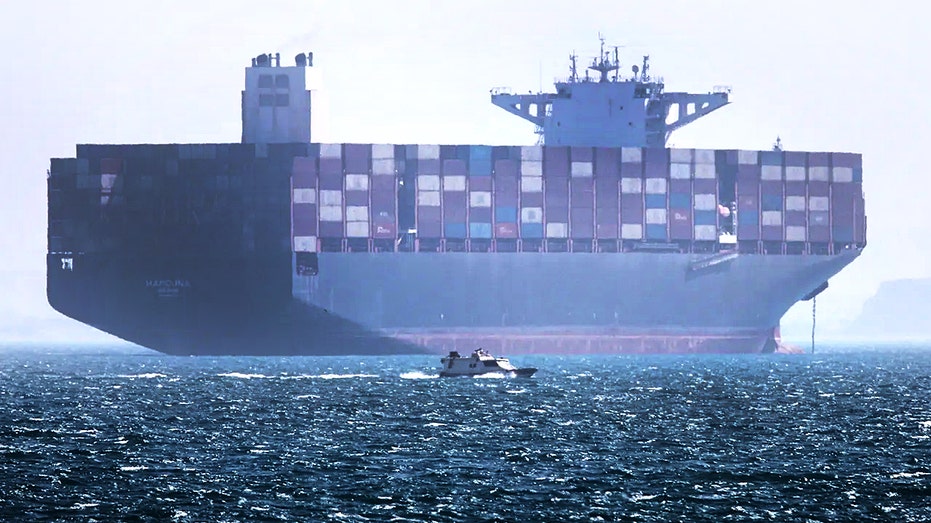
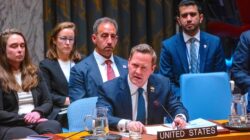
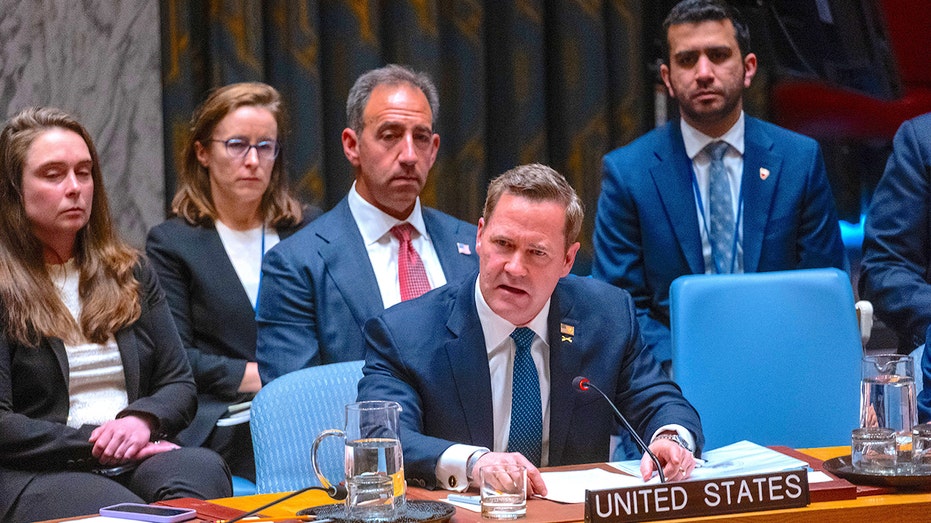
UNITED NATIONS — The Czech Republic has expressed its readiness to assist in safeguarding freedom of navigation in the Strait of Hormuz, in close collaboration with the Trump administration, NATO, and its ally Israel. This announcement was made by Czech Foreign Minister Petr Macinka during an exclusive interview with Fox News Digital at the United Nations in New York.


Strategic Operations in the Strait of Hormuz
During discussions held at the U.N. Security Council, Macinka revealed that Prague has initiated dialogue regarding the provision of specialized capabilities aimed at securing this crucial waterway, particularly as tensions with Iran continue to escalate.
“We are ready to contribute to freedom of passage and the Hormuz trade,” Macinka stated, adding, “We were among the first countries prepared to contribute … We have no navy, as we are in the heart of Europe. But we possess unique passive surveillance capabilities.”
The Iranian Threat
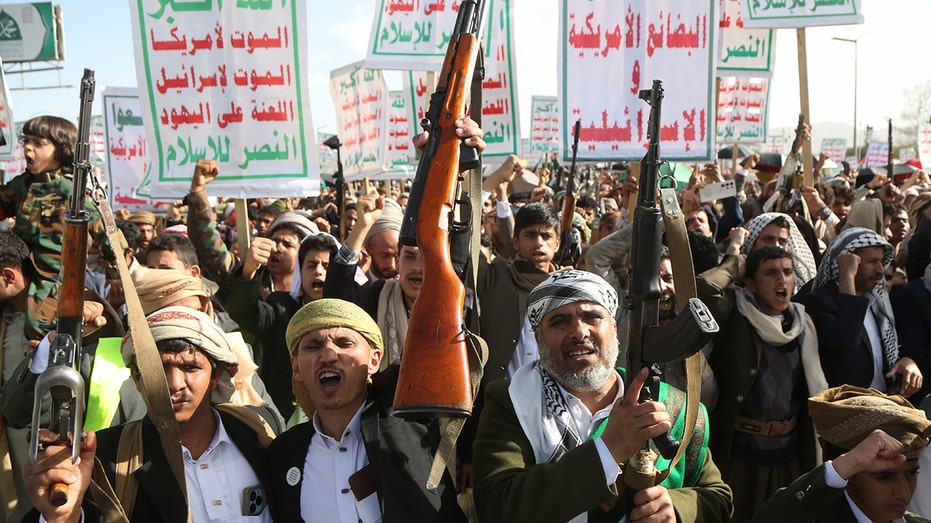
Macinka underscored the global threat posed by Iran, outlining four primary “war tools”: nuclear proliferation, drones and ballistic missiles, international terrorism, and threats to the Strait of Hormuz.
“Their nuclear military program must be stopped,” he asserted, categorizing it as a “global risk and global threat.”
His statements align with the Trump administration’s increasing pressure on European allies to play a more substantial role in protecting international shipping routes, particularly against the backdrop of Iranian threats linked to the Strait of Hormuz, a vital oil transit route that carries approximately one-fifth of global oil consumption.
NATO Involvement and U.S. Military Operations
Following a recent meeting with foreign ministers in Sweden, Secretary of State Marco Rubio questioned the actual value of hosting U.S. military bases in allied countries that may later restrict American military operations during wartime.
“One of the arguments I always made was that these bases in the region provided us with logistical options that we wouldn’t otherwise have,” Rubio explained. “And when some of those bases are denied to you during a conflict that we’re involved in, then you question whether that value is still there.”
President Donald Trump has also voiced criticism towards NATO allies, calling attention to their hesitance to partake in military operations relating to Iran and the Strait of Hormuz. In an interview with Britain’s Daily Telegraph, Trump mentioned he was considering pulling the U.S. out of NATO after allies did not join the U.S. campaign against Iran, describing the alliance as a “paper tiger.”
Czech Republic’s Defense Strategy
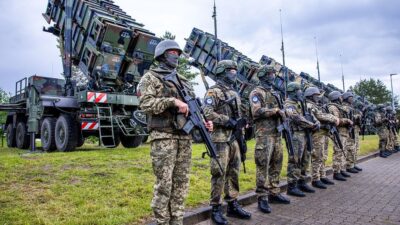
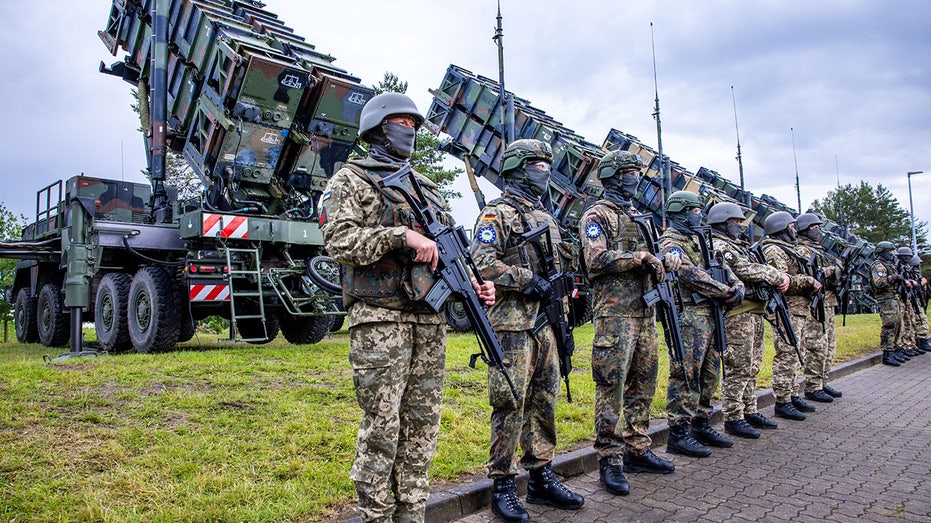
As a NATO member since 1999, the Czech Republic has fulfilled NATO’s defense spending benchmark of 2% of its GDP and advocates for increased European military readiness in light of Russia’s ongoing war in Ukraine. Macinka echoed the administration’s stance on the necessity for Europe to enhance its defense funding and minimize dependence on Washington for long-term security guarantees.
“We should do our homework and build our defense to become stronger,” he urged, suggesting that Europe has delayed essential military investments for too long.
Macinka linked challenges regarding European defense spending to the European Union’s Green Deal policies, criticizing them for being ideologically driven and financially disadvantageous.
“If we get rid of this green, crazy alarmism, then we have enough money to build our defense,” he stated.
Support for the Current U.S. Administration
Macinka expressed staunch support for Trump and his administration, praising a shift towards “common sense” on a global scale following Trump’s election. “We are friends of Israel, and we are friends of America,” Macinka shared, highlighting his alignment with the current American administration’s ideology.
In a previous encounter at the Munich Security Conference in 2026, Macinka engaged in a heated exchange with former Secretary of State Hillary Clinton, where he criticized Europe’s liberal political establishment while defending the populist movements reshaping various parts of Europe and the U.S.
The Czech Republic’s Role in Supporting Ukraine
Macinka connected Prague’s support for Ukraine to the Soviet-led invasion of Czechoslovakia in 1968. He revealed that this historical episode continues to influence Czech public opinion in support of Kyiv’s struggle against Russian aggression.
“The Czech society feels a big solidarity with Ukraine,” he remarked, describing the ongoing conflict as a “symmetric war” between a formidable Russian military and a Ukrainian army backed by the West.
Macinka highlighted the Czech Republic’s proactive role in supplying Ukraine with a significant number of artillery rounds. He recalled a visit to Kyiv earlier in 2026, where he received detailed intelligence briefings from Ukrainian military officials on their battlefield ammunition requirements.
In total, the Czech initiative has provided more than half a million rounds of ammunition, which he argues plays a crucial role in stabilizing the battlefield ahead of potential peace negotiations.
Call for European Leadership in Diplomacy
As the U.S. intensifies its focus on the Middle East, Macinka emphasized the necessity for Europe to adopt a more prominent diplomatic role in upcoming negotiations regarding Ukraine. “America is quite busy with the Middle East,” he noted, urging European nations to “wake up and ask for a place at the table.”