U.K. Defense Secretary Resignation Signals Turmoil Ahead of NATO Summit
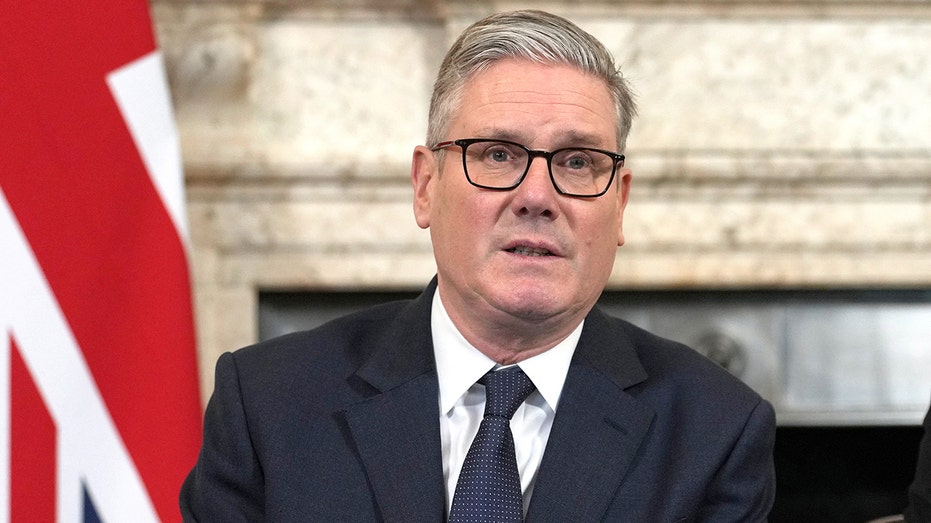
In a significant political shakeup, U.K. Defense Secretary John Healey announced his resignation on Thursday, a move that exposes deep divisions within Prime Minister Keir Starmer’s government over military funding. This unexpected development poses a challenge for Starmer as he prepares for an upcoming NATO summit, which is set to include former President Donald Trump among its notable attendees.


Disagreement over Defense Spending
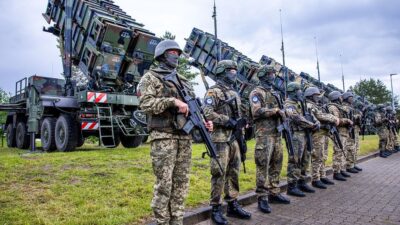
Healey’s departure stems from escalating tensions regarding the postponed Defense Investment Plan (DIP), the government’s comprehensive strategy for military investment and readiness. The plan has become a contentious issue as allies in NATO grapple with pressures to meet increasing defense spending demands from the U.S., especially under Trump’s administration.
Ed Arnold, a Senior Associate Fellow at the Royal United Services Institute (RUSI), highlighted the gravity of Healey’s resignation, remarking, “John Healey’s resignation marks a pivotal moment for the government and the Ministry of Defense.” He elaborated that this situation would lead to considerable political hurdles for Starmer’s administration as it searches for a suitable successor and strives to expedite the release of the Defense Investment Plan.
Negotiations and Impasse
In recent weeks, Healey was engaged in advanced discussions with Prime Minister Starmer and Chancellor of the Exchequer Rachel Reeves concerning the scale and timeline associated with the DIP. However, reports reveal that Starmer was hesitant to commit to previous pledges. Specifically, he declined to establish a timeline for achieving the commitment of 3.5% of the nation’s Gross Domestic Product (GDP) allocated for defense spending by 2035, a promise made to Trump during the prior year’s NATO gathering.
Instead, Starmer suggested a more conservative plan, proposing a defense budget increase to 2.68% of GDP by 2030, a figure marginally above the anticipated 2.6% for the upcoming year. Healey expressed his frustration in his resignation letter, stating, “You have been unable, and the Treasury has been unwilling, to commit the necessary resources for the nation’s defense.” He cautioned that curtailing financial resources would ultimately jeopardize the nation’s security.
Implications of the Resignation
The fallout from Healey’s resignation is likely to extend far beyond Westminster. According to Professor Kevin Rowlands of RUSI, “If the delay to the Defense Investment Plan was already damaging the government’s credibility on defense, John Healey’s resignation further exacerbates the issue.” He underscored that the immediate ramifications include not only political embarrassment for the Prime Minister but also a critical lack of strategic planning that is essential for the British Armed Forces and the defense industry.
As the geopolitical landscape becomes increasingly complex, the U.K. faces urgent calls from Washington to meet its defense obligations. Historically, Trump has been vocal in criticizing NATO members for not carrying their weight within the alliance, labeling them “free riders.” This sentiment echoes the concerns among U.S. officials about meeting NATO commitments as the upcoming Ankara summit approaches.
U.S. Positions and Expectations
In recent comments, U.S. Secretary of State Marco Rubio indicated the importance of the forthcoming NATO summit, characterizing it as “the most important meeting” in the organization’s history and underlining the necessity for resolution of pressing issues. He reaffirmed, “The United States remains in the NATO alliance, and we’ll be there.” However, U.S. patience appears to be wearing thin regarding ally commitments to increase defense expenditures.
U.S. Ambassador to NATO, Matthew Whitaker, asserted via social media that “Allies must fulfill their commitment to spending 5% of GDP on defense” ahead of the NATO summit. There is particular apprehension that if the U.K. were to present a funding package significantly below £18 billion ($23 billion), it might convey a detrimental message to Trump before the crucial meeting, as reported by The Times.
The Road Ahead for the U.K.
Despite Starmer promising to ramp up defense spending to 3% in the next Parliament, Healey’s exit underscores that the U.K. risks falling behind key allies in defense readiness. In comparison, Germany plans to allocate 3.7% of its GDP to defense by 2030. Rowlands stated, “Healey understands the threats we face and the armed forces’ capabilities and deficiencies, and if he believes the financial arrangement is insufficient to keep the country safe — to the extent that he cannot honorably continue in his role — then we are in trouble.”
As the U.K. grapples with defense strategy and implementation amid escalating global tensions, the stakes are high. The impending NATO summit in just three weeks will require clear and committed positions from member states, making the political ramifications of Healey’s resignation all the more pronounced.
Conclusion
Healey’s resignation not only raises immediate concerns about the U.K.’s defense policies but also casts a shadow over its strategic relationships within NATO. With the summit approaching, the government must act swiftly to stabilize its defense strategy and affirm its commitments, ensuring it does not fall further behind its allies as collective security demands rise in an increasingly uncertain world.