Peru’s Crucial Presidential Runoff: A Pivotal Moment for the Nation and Latin America
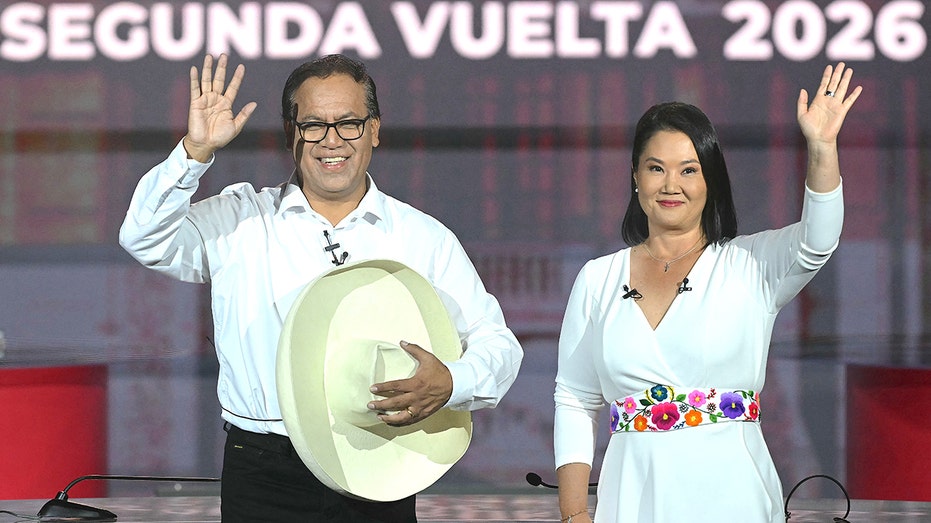
June 7 marks a decisive day for Peru as citizens prepare to vote in a presidential runoff that could shape the trajectory of not only the nation but also the broader dynamics throughout Latin America.


The Candidates: A Clash of Ideologies
The election features two prominent candidates: Keiko Fujimori, a conservative leader championing law and order, free-market strategies, and a closer relationship with the United States; and Roberto Sánchez, a left-wing politician representing a movement perceived as a continuation of the leftist tide challenging U.S. dominance in the region.
Implications of the Election
José Ignacio Beteta, a political analyst from the Asociación de Contribuyentes think tank, emphasizes that the outcome of this election has profound ramifications for Peru’s international alignments. A choice between Fujimori and Sánchez could either reinforce Peru’s ties with the U.S. or intensify geopolitical friction, particularly as China has already made significant inroads into strategic sectors of Peru, exploiting existing institutional vulnerabilities.
Political Instability: The Precursor to the Runoff
This runoff comes at a time of considerable political upheaval in Peru. The nation has grappled with years of instability, marked by political crises and widespread dissatisfaction with establishment politics. As such, the results of this election are expected to be tightly contested, with potentially delayed outcomes posing risks for a smooth political transition.
Geopolitical Considerations for the U.S.
From an American perspective, this electoral face-off serves as a barometer for the direction of Latin American politics. Over recent years, many countries in the region have leaned toward center-right administrations that align more closely with U.S. interests, a trend that could be reinforced by a Fujimori victory. Strengthening ties with Peru could bolster a coalition of nations advocating for stringent crime policies and market-oriented economic reforms.
The Stance of Keiko Fujimori
Keiko Fujimori has made her intentions clear about enhancing cooperation with the United States and attracting foreign investment. Her campaign focuses on a narrative of stability, economic growth, and national security, which resonates with many voters weary of crime and economic challenges. A win for Fujimori could not only shift Peru toward a pro-U.S. stance but also potentially align it with neighboring countries advocating similar political agendas.
Roberto Sánchez: A Left-Wing Challenge
On the other hand, Roberto Sánchez’s campaign remains shrouded in tension and skepticism. Analyst Lucas Ghersi labels Sánchez’s platform as radical left, one that may escalate friction with the U.S. His platform includes severe criticisms of U.S. military spending and alleged connections to illicit activities, which could pose a significant challenge to U.S.-Peruvian relations. Despite a lack of response from Sánchez’s campaign to inquiries from Fox News Digital, his stance raises concerns about the future trajectory of Peru’s foreign policy.
Strategic Resources and Foreign Influence
Peru’s vast natural resources make it a focal point for both U.S. and Chinese interests, leading to a complex geopolitical landscape where influence is keenly contested. A victory for Fujimori would symbolize a continuation of center-right governance in Peru, reaffirming policies aligned with U.S. interests. Conversely, a Sánchez win could lead to significant re-evaluations of those relationships, potentially opening the door to increased Chinese influence and a shift in the balance of power in the region.
Mandatory Voting and Voter Engagement
Voting in Peru is compulsory for citizens aged 18 to 70, with over 27 million individuals registered to cast their votes. This mandatory participation reflects the high stakes of the election, emphasizing the importance of civic engagement in shaping the country’s future amidst a backdrop of political uncertainty.