NATO Challenges: A Shift in European Defense Spending
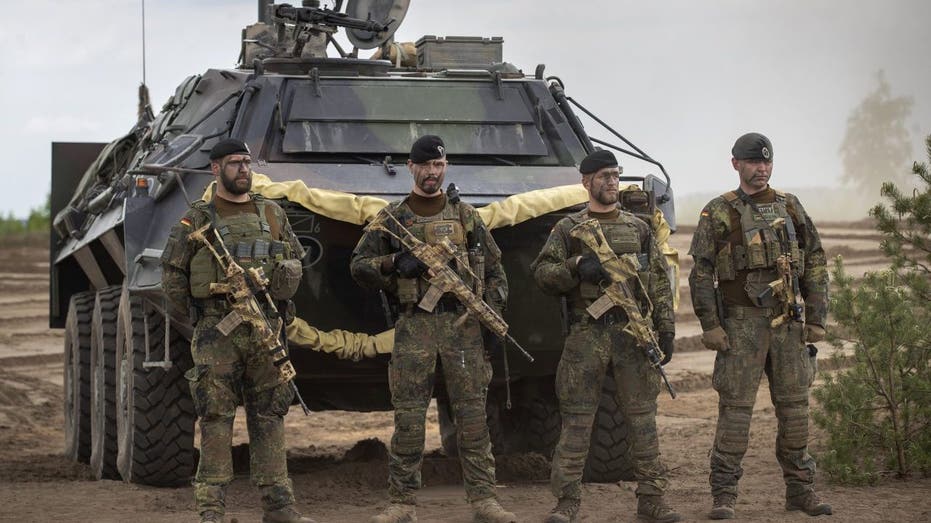
As NATO faces increasing geopolitical pressures, particularly from Russia, the dynamics of European defense spending have changed significantly. Part six of our series discusses President Donald Trump’s advocacy for European allies to shoulder more responsibility in defense. In recent years, Eastern European nations have taken rapid strides in enhancing their military capabilities, reacting swiftly to the threats posed by their larger neighbor, Russia, while the larger economies of Western Europe grapple with pressures to keep pace.


Eastern Europe Steps Up
Retired Rear Admiral Mark Montgomery has observed a noticeable shift in the defense landscape across Europe. He highlights that Eastern European countries are stepping up geographically, with particular contributions from the Baltic states, Poland, Romania, and Bulgaria as they advance their deterrence efforts against Russia. As NATO allies aim for a benchmark defense spending of 5% of GDP by 2035, the urgency among these nations reflects their proximity to the ongoing Russian threats.
The urgency for increased defense capabilities is stark in the case of Poland, Romania, and the Baltic states. Countries such as Poland have significantly ramped up military spending, while Romania is committing a substantial 3.4% of its GDP to defense initiatives. This investment underscores Romania’s recognition of the need to protect not just its own borders but also to address its responsibilities on NATO’s eastern flank. Reports of Russian drone incursions have spurred this urgency, compelling these nations to act.
The Role of Western Europe
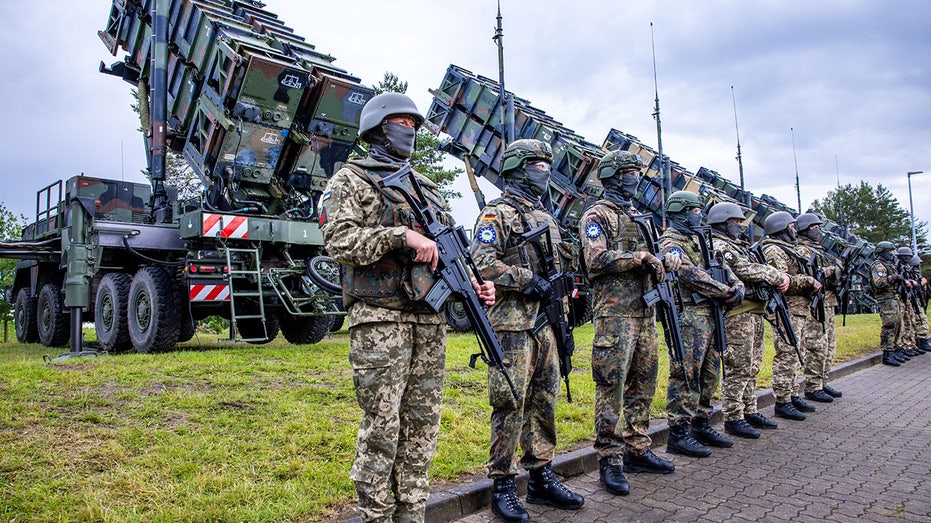
In contrast, the larger economies of Western Europe are under increasing scrutiny to elevate their defense spending. Despite a slight decrease in military spending, the United Kingdom remains a leader among the big economies, closely followed by Germany, Spain, France, and Italy. Montgomery argues that while these nations have the economic capability to enhance their defense budgets, the pace of adaptation has been slower compared to their Eastern neighbors.
Germany, often viewed as a potential leader in European defense industry development, faces challenges that need to be addressed swiftly. Despite its position, the country remains heavily reliant on U.S. military capabilities, which places a significant question mark over Europe’s independent defense future.
Building Independent European Defense Capabilities
Barak Seener from the Henry Jackson Society points out Europe’s ongoing dependence on U.S. systems for modern warfare capabilities. This reliance complicates European nations’ efforts to build an autonomous and robust defense posture. Montgomery outlines several core challenges that Europe must overcome: expanding military capacity, rebuilding the defense industrial base, and developing the high-end support capabilities that have traditionally been provided by the United States.
As NATO allies engage in these efforts, there are growing concerns surrounding potential decisions made by the Pentagon, particularly regarding long-range strike deployments and missile sales. Such decisions are critical for effectively deterring Russia, the very challenge NATO seeks to counter.
Optimism for the Future of NATO
Despite the myriad challenges facing European defense, Montgomery expresses optimism regarding the future of NATO. He anticipates increased investments in defense from European allies, driven by the pressing need to bolster regional security and stability. Montgomery posits that under the leadership of NATO Secretary-General Mark Rutte, the alliance will be reenergized, paving the way for stronger transatlantic relations.
With the sheer weight of Russia’s military ambitions pressing on Europe, there may be a shift in NATO’s long-term structure, potentially incorporating Ukraine into the alliance within the next five years. The evolution of NATO, in response to these challenges, will be a crucial factor in determining the collective security of Europe in an increasingly volatile geopolitical environment.
Conclusion
As NATO confronts its challenges, the urgency for European nations to bolster their defense capabilities has never been clearer. Eastern European countries have risen to the occasion, not only committing to increased defense spending but also enhancing their military readiness in response to the pressing threats from Russia. Meanwhile, the larger economies of Western Europe must reconcile their commitments to NATO with the realities of a changing security landscape. The developments in defense spending, capabilities, and cooperation among NATO allies will define the transatlantic alliance’s strength in the coming years.