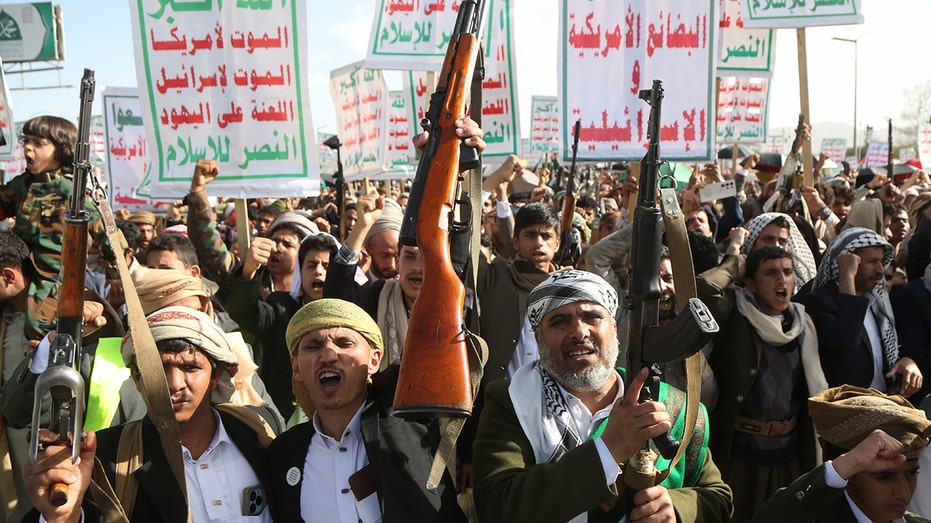
Iran’s Counteroffensive Against U.S. Influence
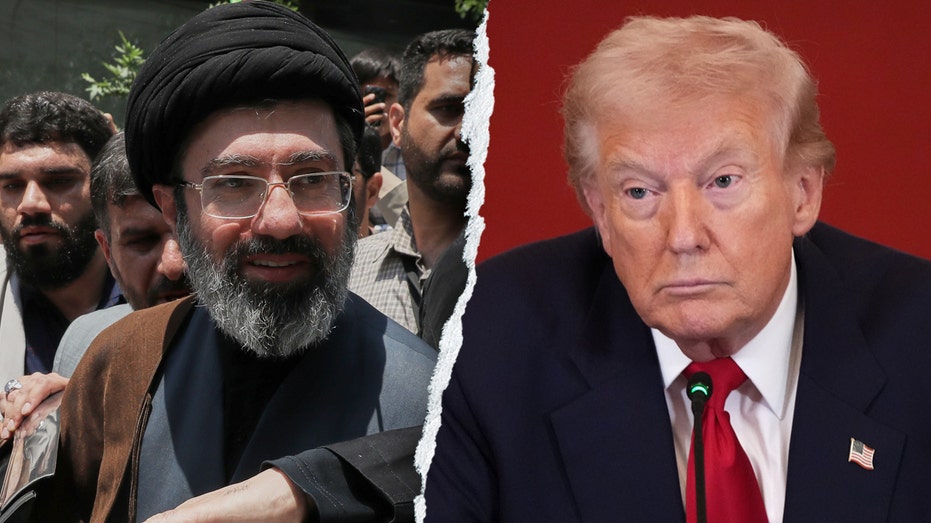
Iran’s Supreme Leader, Ayatollah Ali Khamenei, is taking bold steps to assert Tehran’s influence in the Middle East as a response to President Donald Trump’s recent diplomatic initiatives. Analysts indicate that Khamenei’s strategy involves rallying support from regional allies to form a coalition explicitly aimed at countering American dominance.


Challenging Trump’s Initiative
The shift in Iran’s stance comes in the wake of Trump’s proposal to expand the Abraham Accords, agreements designed to normalize relations between Israel and several Arab states. With tensions already high, expert opinions suggest that Khamenei is leveraging the opportunity to cement Iran’s status as a regional power.
Mojtaba Khamenei, son of the Supreme Leader, issued a call for the establishment of a “New Islamic Civilization,” reinforcing the ideological battle against American influence in the region. In his statement, he urged Islamic nations to unite under Iran’s leadership, presenting Tehran as a defender of Muslim interests against Western hegemony.
A New Regional Order?
This ideological push from Iran challenges the premise of the Abraham Accords, which promotes a different vision for Middle Eastern diplomacy. Experts, including researcher Omar Mohammed from George Washington University, emphasize that the timing of Khamenei’s call reflects a strategic endeavor to weaken U.S. alliances in the Gulf.
“This clashes directly with the Abraham Accords narrative, forming an alliance against it,” Mohammed stated in a recent interview, highlighting the direct opposition to normalization with Israel as promoted by Washington.
A Complex Power Landscape
Khamenei’s assertive stance complicates the diplomatic landscape for Gulf states, many of which maintain varying degrees of relations with Iran. Nations like Saudi Arabia, Qatar, and Oman find themselves at a crossroads, facing challenges in navigating Iran’s complex political hierarchy while managing their ties with the U.S.
Despite Tehran’s recent rhetoric emphasizing friendship and cooperation, its military activities tell a different story. Iran has ramped up provocations against neighboring countries, including Bahrain, Qatar, the UAE, and Kuwait, enhancing regional tensions even as it proposes an alliance.
Military Threats and Regional Alliances
According to reports, Iran has launched a series of attacks on regional states, aiming to disrupt U.S. influence. The UAE, for instance, has intercepted numerous drones and missiles in recent months, showcasing the potential threats posed by Iranian military capabilities.
While Khamenei invites Gulf states to join his envisioned alliance, the underlying threats and recent aggressions raise significant apprehension among these nations. Mohammed cautions that Gulf leaders are increasingly concerned about U.S. policy shifts that could inadvertently bolster Iranian power.
Gulf States in a Dilemma
The situation leaves Gulf leaders in a precarious position. While wary of Iran’s aggressive posturing, they also grapple with uncertainty regarding the U.S. commitment to their security. The potential for a diplomatic deal Washington might pursue with Tehran adds another layer of complexity to their decision-making process.
“The real concern for the Gulf states isn’t Khamenei’s invitation but the potential deal Washington might reach,” Mohammed explained, underscoring fears that any agreement could inadvertently reward Iran despite its continued hostilities.
The Road Ahead
As Iran seeks to elevate its status within the region, the implications for U.S. foreign policy and Middle Eastern geopolitics remain significant. Understanding the dynamic interplay of alliances, threats, and aspirations will be crucial for observers and policymakers alike as the situation continues to evolve.
For now, the chessboard of Middle Eastern politics is more intricate than ever, with Khamenei’s vision of a “New Islamic Civilization” posing a formidable challenge to American interests and the stability of the region.