Kuwait Condemns Iranian Attacks on Civilian Infrastructure
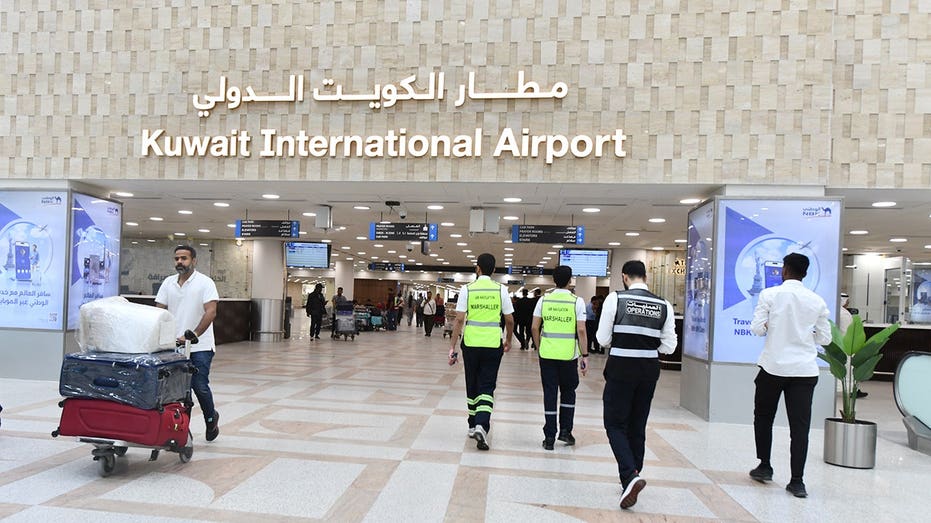
Kuwait’s Ministry of Foreign Affairs has issued a strong condemnation of the recent Iranian attacks that targeted civilian facilities, including Kuwait International Airport. This statement reflects increasing tensions in the region as hostilities escalate.


Details of the Attack
In an official communiqué, the Ministry articulated its discontent over the “violent and ongoing Iranian assaults utilizing ballistic missiles and drones.” The attack, which occurred early this morning, led to one fatality, multiple injuries, and considerable damage to critical facilities, including diplomatic missions. The statement was disseminated through an Arabic-language post, later translated for international audiences.
Impact on Civilian and Diplomatic Facilities
The spokesperson for Kuwait’s Ministry of Defense revealed that significant damage was inflicted on Kuwait International Airport, specifically targeting Terminal 1. The assault resulted in injuries among civilians, necessitating medical attention, as reported on the official account of the Kuwait Army’s general staff headquarters via social media.
Brigadier General Saud Abdulaziz Al-Otaibi, the Official Spokesman for the Ministry of Defense, confirmed the incident underscoring the consequences of what he termed “criminal Iranian aggression.” He also noted that the armed forces are closely monitoring the situation, coordinating with relevant authorities, and remain prepared to respond to further developments to ensure national security and stability.
Context of Ongoing Conflicts
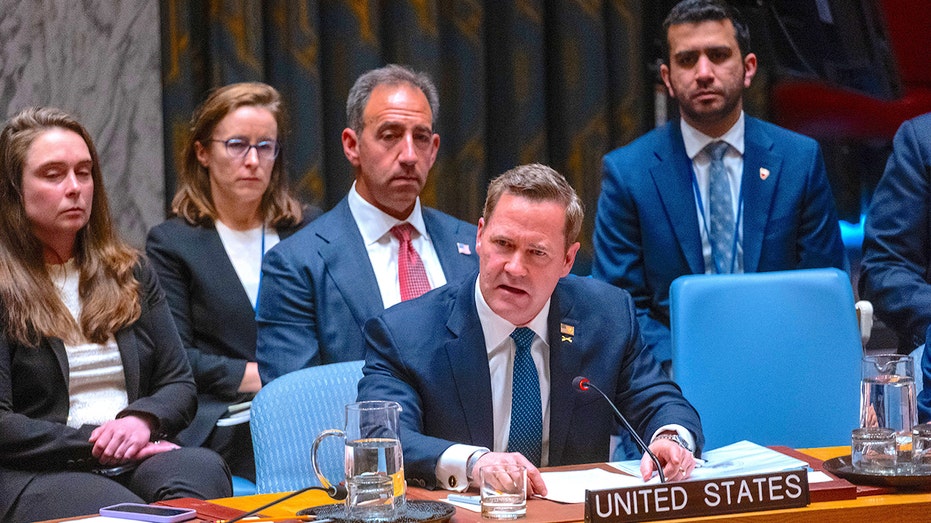
This latest escalation comes three months after the United States commenced its military operations against Iran, aiming to counter aggression in the region. In a statement issued by U.S. Central Command (CENTCOM), it was noted that U.S. forces had been actively engaging in “self-defense strikes” against Iranian forces.
The CENTCOM report detailed how U.S. military personnel successfully intercepted several Iranian ballistic missiles and drones that were launched in an attempt to strike regional partners. Notably, on June 2, two missiles targeted Kuwait but fell short, disintegrating before reaching their intended destinations, illustrating the precarious nature of military engagements in the area.
Responses from U.S. Military Command
In further developments, CENTCOM documented defensive measures that involved downing Iranian one-way attack drones aimed at civilian vessels in regional waters. The U.S. forces also conducted retaliatory strikes on an Iranian military control station located on Qeshm Island. Importantly, no U.S. personnel sustained injuries during these confrontations.
These military actions are critical in light of the ongoing ceasefire and reflect the heightened vigilance of U.S. forces to counter what they perceive as unwarranted Iranian aggression in the region.
Regional Stability at Stake
As Kuwait responds to these provocations, the broader regional implications cannot be overstated. The Iranian strikes on Kuwait International Airport signal not only a direct threat to the safety of civilians but also pose risks to regional stability. Kuwait’s government must navigate this complex landscape while ensuring the protection of its citizens and vital infrastructure.
The Future of U.S.-Iran Relations
The backdrop of these events includes ongoing discussions about potential diplomatic engagements between the United States and Iran during a politically charged atmosphere. Former President Donald Trump recently remarked on the complexities surrounding potential negotiations, emphasizing that any deal would require careful consideration and was “not a simple thing.”
Conclusion
The escalating confrontations between Iranian forces and regional actors highlight the urgent need for international mediation and diplomatic dialogue to prevent further deterioration of the security situation in the Middle East. As Kuwait grapples with the fallout from these attacks, the international community watches closely, aware that the region’s stability hangs in the balance.