EU Implements Stricter Border Rules in Response to Immigration Concerns
In June 2023, the European Union took decisive action in response to escalating concerns from President Donald Trump and European voters regarding illegal immigration. Concerns have been brewing among European citizens and political leaders, prompting the EU to enact tighter border entry regulations across its 27-member bloc.


New Migration and Asylum Regulations
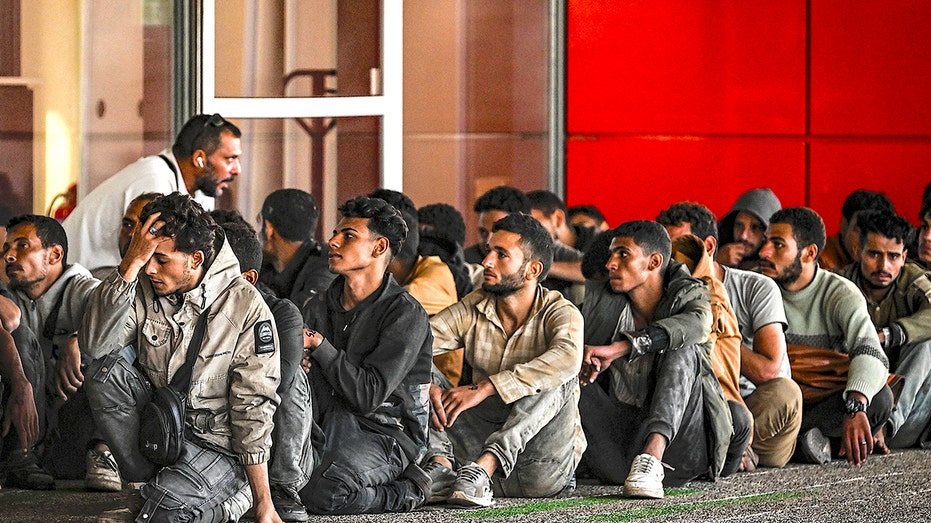
The EU has introduced stringent new migration and asylum regulations aimed at expediting the processing of illegal or undocumented migrants entering the bloc. These laws stipulate that, when necessary, migrants will be redirected to deportation centers located outside of EU borders.
Under the new framework, asylum seekers will undergo thorough screenings for identity, security, and health prior to their entry into any asylum system. This step is crucial in ensuring that the integrity of the EU’s borders is maintained. Additionally, border officials will be tasked with the meticulous monitoring and documentation of non-EU citizens as they enter and exit the bloc. The implementation of biometric data collection techniques—including fingerprints and facial recognition—will play a key role in this process.
Collaboration Among Member States
A key component of the EU’s new regulations is the requirement for member states to collaborate and share information regarding migrant movements. This cooperation is intended to create a more efficient and consistent approach to handling immigration across the entire bloc.
The Associated Press reported that the EU’s three primary institutions have reached a provisional agreement on these regulations, which is expected to receive formal approval from EU lawmakers and national governments shortly. This development marks a pivotal moment in the EU’s ongoing efforts to address immigration challenges.
Changing Demographics and Cultural Integration
Alan Mendoza, founder and executive director of the Henry Jackson Society, commented on the impact of changing demographics on Europe’s culture. He emphasized the difficulties associated with integrating diverse migrants into local customs. According to Mendoza, Britain’s stance on immigration significantly influenced the EU’s new rules. Despite the UK no longer being an EU member, it remains a critical case study in immigration policies.
Mendoza noted the UK’s struggles to establish offshore holding centers for migrants, a failure that could hinder its ability to maintain a tough stance on immigration without appearing lenient. The situation highlights the complexities involved in creating effective immigration policies that resonate with public sentiment.
Calls for Urgency in Resolving Immigration Issues
Experts are sounding the alarm on the urgency of addressing immigration challenges, warning that procrastination may complicate resolutions further. Observations from European citizens regarding the persistent growth of illegal immigration have heightened over the years, and it seems that political leaders are finally beginning to recognize the depth of the issue.
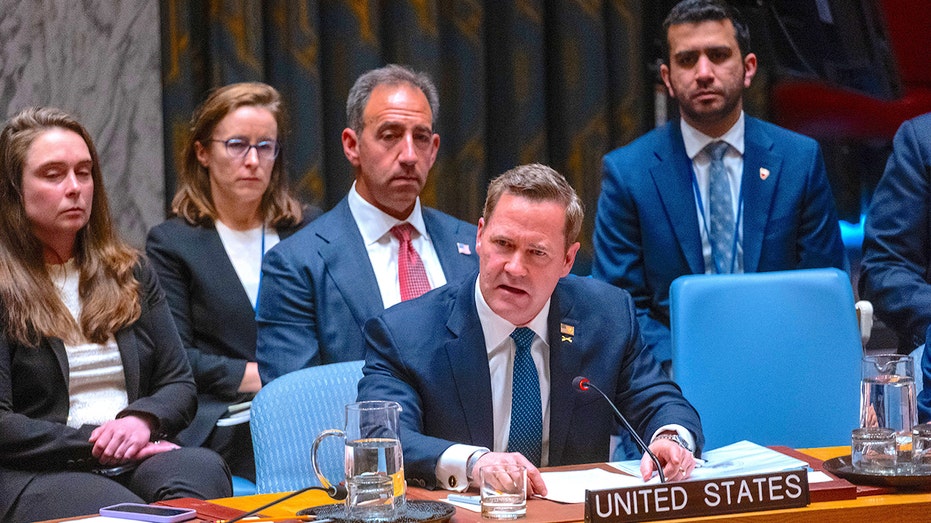
President Donald Trump voiced his concerns at the recent United Nations General Assembly, where he described the impact of undocumented migrants in Europe as an “unprecedented invasion.” His statements reflect a growing unease among various political figures regarding the implications of unregulated immigration for European societies.
Voices of Concern from American Leadership
Vice President JD Vance also weighed in on the issue, sharing his dismay over societal challenges exemplified by an incident involving an 18-year-old British man’s stabbing. He criticized the response from European elites regarding migrant integration, suggesting that the elite’s approach may not align with the concerning experiences of ordinary citizens.
In a similar vein, Secretary of War Pete Hegseth raised questions during a D-Day commemoration ceremony in France, asking when European capitals would take concrete steps to address what he characterized as an ongoing invasion. His remarks echo a broader sentiment of frustration among both American and European leaders regarding the failure to tackle illegal immigration head-on.
Spain’s Contrasting Approach to Immigration
Amidst the EU’s tightening approach, Spain has diverged from the bloc’s stance by legalizing 500,000 undocumented migrants. Javier Negre of La Derecha Diario highlighted the role of NGOs in driving migrant support efforts in Spain, questioning the implications of this policy shift on immigration and integration strategies.
Critics of the EU’s agreement have emerged, with some describing it as a setback for human rights. French Green party member Mélissa Camara labeled the deal as xenophobic, arguing that it undermines the humanitarian principles that should guide immigration policy.
Conclusion: A Complex and Evolving Landscape
The EU’s decision to implement stricter border rules reflects a growing concern over the challenges posed by illegal immigration. As member states grapple with integrating diverse populations and ensuring the security of their borders, the need for cohesive and humane policies becomes increasingly evident. Moving forward, the balance between security and compassion will be crucial as Europe navigates the complexities of migration in an ever-changing geopolitical landscape.
The Associated Press contributed to this report.