Details Emerge on the Operation Epic Fury Strike
Iran’s Top Diplomat Discusses the Strike
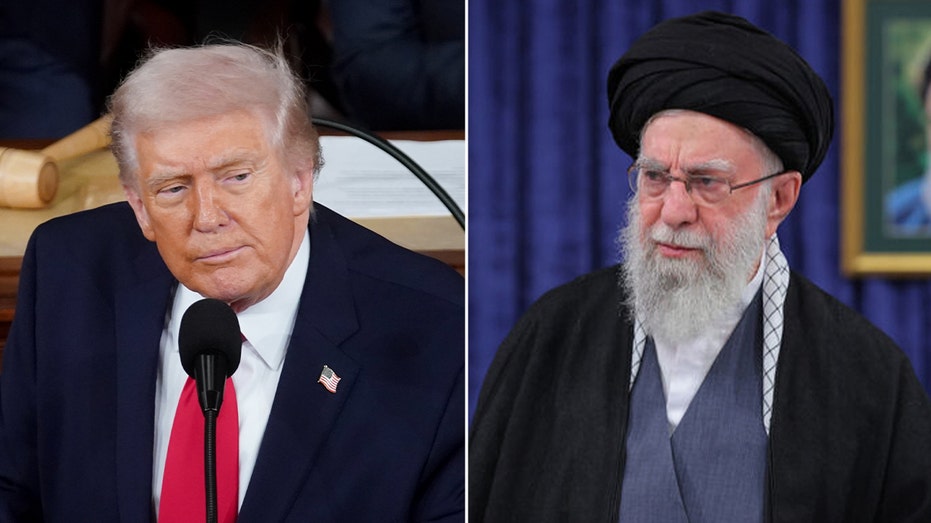
In an unprecedented revelation, Iran’s top diplomat has provided critical insights regarding the strike that resulted in the death of Supreme Leader Ali Khamenei. In a recent interview, Abbas Araghchi, the Iranian Foreign Minister, detailed the execution of what has now been classified as Operation Epic Fury, showcasing the strategic significance behind it.


The Precision of the Attack
Araghchi recounted his location during the airstrike on February 28, noting he was in a different wing of Khamenei’s compound when the operation unfolded. This emphasizes the strike’s precise targeting, aiming at specific areas rather than obliterating entire structures—a method that reflects the hallmark of President Donald Trump’s national security strategy.
The implications of this precision extend to a broader context. Analysts suggest that such a focused approach demonstrates the U.S.’s military capabilities while simultaneously providing an off-ramp for diplomatic resolutions. The attack was not only a display of power but also an invitation for potential dialogue, although under the shadow of aggression.
Expert Commentary on the Strike
Counterterrorism expert Dr. Omar Mohammed weighed in on Araghchi’s remarks, underscoring how the strike exemplified the targeted precision of modern military operations. Rather than flattening the building, the operation showcased a surgical approach to combat, aligning with Trump’s overarching strategy to avoid wars of occupation. The goal was clear: to signal the United States’ capacity to penetrate the centers of hostile regimes effectively.
The Operations and Its Aftermath
This joint operation, executed by Israeli jets in coordination with U.S. forces, utilized precision munitions to devastating effect. The death toll from the strike included not only Khamenei but also other senior officials: Defense Minister Amir Nasirzadeh, IRGC Commander Mohammed Pakpour, and various other key leaders in the Iranian regime. This coordinated attack marked a significant escalation in U.S.-Israeli relations and their approach towards Iran.
Following the strike, Iran’s response was one of aggression, leading to heightened tensions in the region alongside an energy crisis. In the immediate aftermath, Iran made a pivotal decision by appointing Mojtaba Khamenei, the son of the late Supreme Leader, as the new supreme leader. Experts express concern regarding his hardline policies, particularly as he navigates complex discussions with the United States while publicly maintaining a stance of hostility.
The Future of Iran’s Leadership
Dr. Mohammed highlighted the tricky transition occurring within Iranian leadership, noting the symbolic nature of appointing a successor who represents continuity in hardline policies. The monarchical semblance of Iran’s leadership raises questions about the country’s future trajectory. Despite the high-profile U.S. strike and the opportunity it presents for initiating diplomacy, experts warn of Iran’s choice to escalate rather than de-escalate tensions.
Conclusion
The revelations from the Iranian Foreign Minister paint a complex picture of modern warfare, diplomacy, and leadership transitions in Iran. As the international community watches closely, the aftermath of Operation Epic Fury will likely shape not only U.S.-Iran relations but also the broader geopolitical landscape in a volatile Middle East.