

Strengthening Ties: Xi Jinping’s Visit to North Korea
In a significant diplomatic maneuver, Chinese President Xi Jinping has embarked on a rare state visit to North Korea, signaling an attempt to bolster the longstanding ties between the two nations.


A Historic Visit
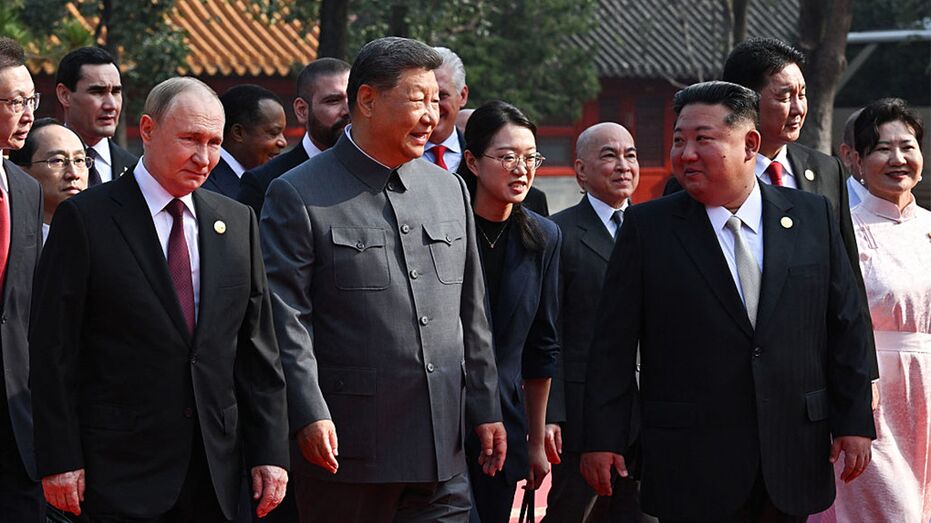
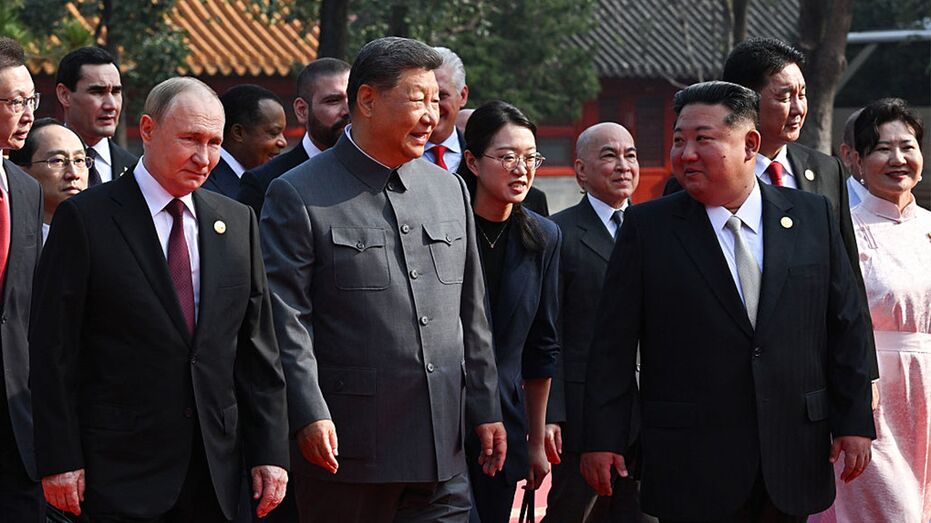
This visit marks Xi’s first trip to Pyongyang in seven years, a notable absence that underscores the fluctuating dynamics of international relations in East Asia. The meeting aims to reaffirm China’s influence over North Korea, offering both countries the promise of economic and political benefits. The summit is set to feature discussions with North Korean leader Kim Jong Un, the first since their last encounter in September alongside Russian President Vladimir Putin in Beijing.
Context of the Visit
Experts suggest that the timing of Xi’s trip is pivotal, particularly as both nations seek to restore their traditional alliance against the backdrop of separate disputes with the United States. As tensions rise in the region, the visit comes on the heels of Xi’s meetings with U.S. President Donald Trump and President Putin, hinting at a strategic balancing act in the face of shifting geopolitical alliances.
The Role of China in North Korea’s Stability
Historically, China has served as North Korea’s lifeline, providing economic support and diplomatic backing while refraining from fully enforcing U.N. sanctions. The year 2023 marks 65 years since the mutual defense treaty, a testament to the historically entrenched relations. However, recent developments have led to mounting questions regarding the strength of this partnership, particularly as North Korea intensifies its cooperation with Russia, trading resources for military and economic assistance.
Potential Outcomes of Xi’s Visit
Analysts predict that Xi’s engagement with Kim could potentially restore China’s leverage over North Korea and enhance China’s position in its ongoing discussions with the United States. This strategic re-engagement might allow Xi to offer essential economic aid, which could include shipments of vital goods such as rice and fertilizer, as well as the revival of group tourism and joint projects.
Significantly, it is anticipated that denuclearization discussions may take a backseat during the visit, with Xi possibly advocating for the lifting of U.N. sanctions rather than pressing for North Korea’s disarmament.
Divergent U.S. and North Korean Perspectives
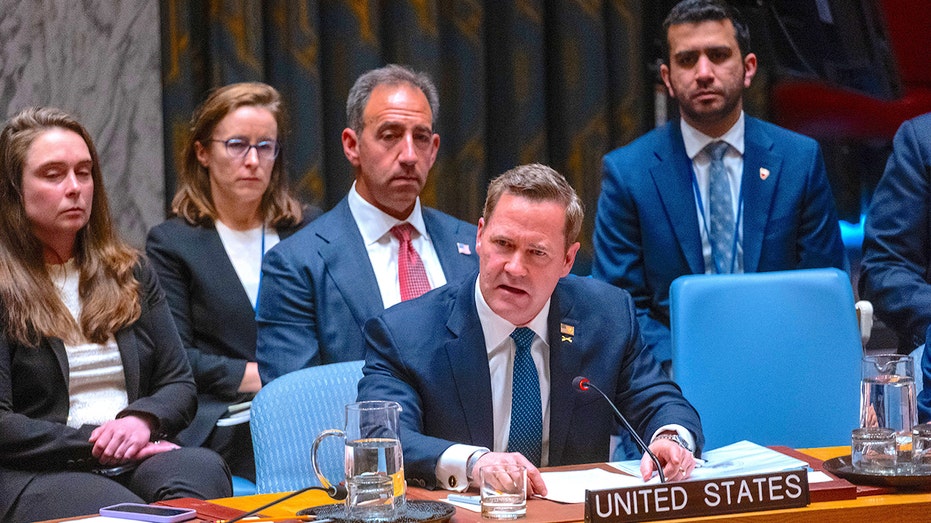
Following last month’s summit between Trump and Xi, statements from U.S. officials indicated a shared commitment towards the goal of denuclearizing North Korea. In contrast, China merely mentioned that nuclear issues were discussed, highlighting the differing narratives at play. Kim Yo Jong, sister of North Korean leader Kim Jong Un, dismissed the American portrayal of the discussions as “false information,” suggesting a significant rift in perspectives.
In a display of defiance, Kim Jong Un recently unveiled plans for a facility dedicated to producing nuclear materials and affirmed his intention to expand North Korea’s nuclear capabilities, including ambitions for a nuclear-armed naval force. This indicates a firm commitment to military enhancement at a time of heightened tension over negotiations.
The Future of Diplomacy in the Region
Kim Yo Jong’s remarks further cast doubt on U.S. strategies, calling them an “anachronistic dream” in light of North Korea’s current trajectory. The North Korean leadership is firmly rejecting overtures from the U.S. and South Korea for dialogue, opting instead to focus on bolstering their nuclear arsenal while demanding the U.S. retract its denuclearization expectations as a prerequisite for any diplomatic engagement.
The landscape of diplomacy in the region remains complex, with Xi’s visit representing a crucial stepping stone toward redefining alliances and power dynamics. As these nations navigate their relationships, the implications for U.S. foreign policy and regional stability will remain significant.