Russia and Taliban Sign Military Cooperation Agreement
Strengthening Moscow’s Influence in Central Asia
Unveiling the Agreement
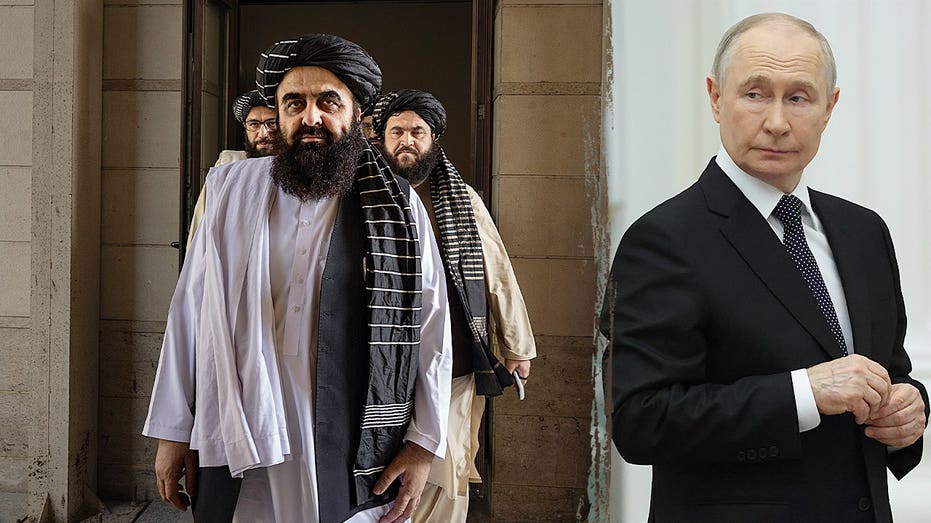
Recent reports have confirmed that Russia and the Taliban government in Afghanistan have formalized a military cooperation agreement. This significant development took place at an international security forum held in Russia, where key figures from both nations convened. The pact was the result of discussions between Russian Security Council Secretary Sergei Shoigu and Afghan Defense Minister Mohammad Yaqoob.
The Taliban’s Defense Ministry took to social media platforms to announce Yaqoob’s journey to Russia for the conference. Yaqoob, who formerly served as the Taliban’s military chief, is notably the son of Taliban founder Mullah Mohammad Omar, marking a lineage tied closely to the group’s historical roots.
Historical Ties and Context
The announcement of this military cooperation agreement comes against a backdrop of complex historical ties. Mullah Mohammad Omar had once forged a partnership with Osama bin Laden, providing a safe haven for al Qaeda operatives leading up to the September 11 attacks in 2001. However, with changing political dynamics, the situation has evolved significantly.
Despite the critical nature of the military pact, details surrounding its contents remain scarce. As of the latest reports, neither Russia nor Afghanistan has disclosed specific terms of the agreement. However, at the gathering, Yaqoob emphasized the enduring relationship between Afghanistan and Russia, expressing intentions to bolster their bilateral ties.
Moscow’s Strategic Shift
Russia’s decision to deepen its relationship with the Taliban signals a strategic shift in the region’s geopolitical landscape. A senior Russian security official highlighted that Moscow has established what he termed a “full-fledged partnership” with the Taliban. This partnership is expected to encourage collaboration among regional countries to work alongside Kabul.
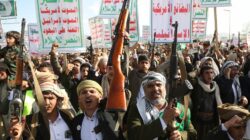
The Taliban, which regained power in Afghanistan in August 2021 after deposing the U.S.-backed government of President Ashraf Ghani, has become a focal point for Moscow’s foreign policy efforts in Central Asia. In the aftermath of their resurgence, Russian President Vladimir Putin hinted at the potential removal of the Taliban from Russia’s list of terrorist organizations. By 2024, Putin included the Taliban in a new category as “allies in the fight against terrorism,” with Russia boldly becoming the first country to officially recognize the Islamic Emirate of Afghanistan.
Symbolism Vs. Economics
Political analysts have noted that Russia’s recognition of the Taliban is primarily symbolic rather than economically motivated. Nikita Smagin, an expert on Iranian foreign policies, remarked that when Taliban forces entered Kabul, Russian diplomats were granted prompt and preferential treatment. The Russian diplomatic mission was provided security, and Ambassador Dmitry Zhirnov was the first foreign diplomat to engage with the Taliban’s new leadership.
Calls for Asset Reallocation
During discussions at the recent forum, Shoigu urged Western nations to reconsider their stance on Afghan assets that have been frozen due to sanctions. He called for these nations to take responsibility for their two-decade intervention in Afghanistan and to contribute to the nation’s reconstruction efforts following years of conflict.
Smagin further pointed out that Russia’s acknowledgment of the Taliban enhances its position as a key player in regional politics, allowing it to claim a leadership role in discussions regarding regional security. According to reports, Moscow has emphasized the importance of direct engagement with Kabul, particularly given security threats posed by various Islamist militant groups operating within Central Asia and the Middle East.
Pragmatic Dialogue and Future Directions
In the wake of this military cooperation agreement, Shoigu articulated Moscow’s intentions to foster a “pragmatic dialogue” with the Taliban. This dialogue is set to encompass various facets, including security interests, trade opportunities, cultural exchanges, and humanitarian support initiatives. Such comprehensive engagement suggests a long-term vision for cooperation that extends beyond mere military alliances.