U.S. Ambassador Highlights Gulf Support for Iran Pressure Campaign
Diplomat’s Visit: A Sign of Unity Against Tehran
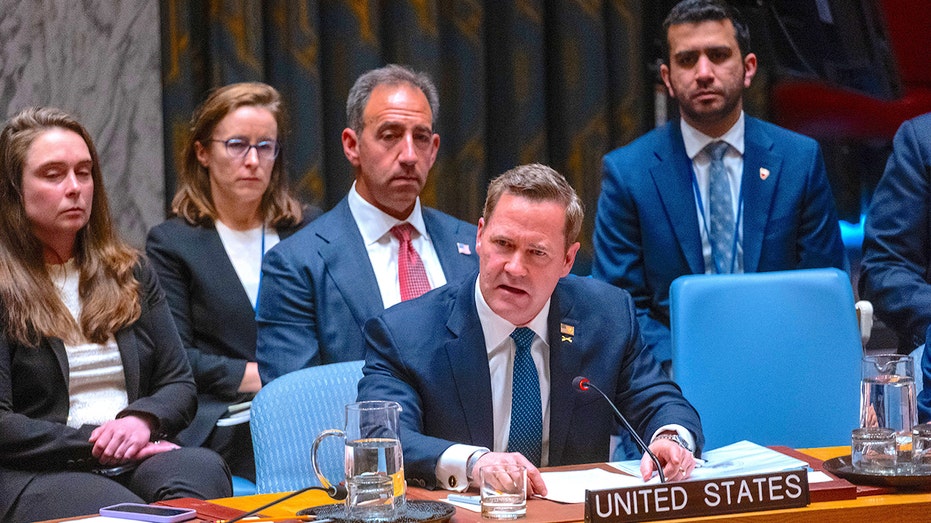
U.S. Ambassador to the United Nations, Mike Waltz, has reaffirmed the steadfast commitment of Gulf allies in supporting President Donald Trump’s blockade and economic pressure strategy against Iran. Following his diplomatic tour of Bahrain, the United Arab Emirates (UAE), and the United Kingdom, Waltz emphasized that regional leaders view the sanctions as an impactful force against Tehran.
In an interview with Fox News Digital, the Ambassador noted that upon his return to the United States, he was informed of a potentially significant agreement with Iran. He characterized the situation as fluid, particularly following a recent Iranian attack on Bahrain shortly after his visit.
Backing for a Robust Economic Strategy
As the highest-ranking U.S. official to visit the Gulf since the beginning of recent tensions, Waltz highlighted robust support from Gulf partners for the administration’s economic pressure tactics. This framework includes initiatives like Treasury Secretary Scott Bessent’s “Operation Economic Fury,” a campaign aimed at crippling Iran’s economy to thwart its ambitions for nuclear capabilities.
Waltz remarked that the Gulf allies understand the substantial impact of the economic measures on Iran’s regime. “They see it working,” he stated, referring to the signs of economic distress within Iran, including a faltering currency, diminishing foreign reserves, and rising inflation, exacerbated by challenges in fulfilling military and governmental payrolls.
Engagement in the United Arab Emirates
During his visit to the UAE, Waltz met with President Sheikh Mohammed bin Zayed and the country’s foreign minister. He identified the UAE as a pivotal adversary against Iranian expansionism. Despite experiencing significant attacks from Iranian forces, the UAE has demonstrated resilience, quickly addressing damages and returning to normal operations. Waltz credited the UAE’s vigorous stance to the successful outcomes of the Abraham Accords, which have reshaped regional alliances.
Bahrain: A Crucial Ally in the Gulf
Bahrain was another significant stop on Waltz’s diplomatic itinerary. Home to the U.S. Fifth Fleet, this island nation has been on the frontlines of Iranian hostility, particularly near the strategic Strait of Hormuz. Waltz praised Bahrain for its resilience in the face of aggression, engaging in discussions with both local and global maritime stakeholders essential for safeguarding energy transit through this vital artery.
The Ambassador condemned Iran’s aggressive posture, particularly its targeted actions against neighboring countries’ infrastructure. He specifically highlighted the deliberate attempts to inflict damage on emergency facilities prior to a recent attack on oil storage tanks, emphasizing a disturbing pattern of aggression.
Effective Defense and International Cooperation
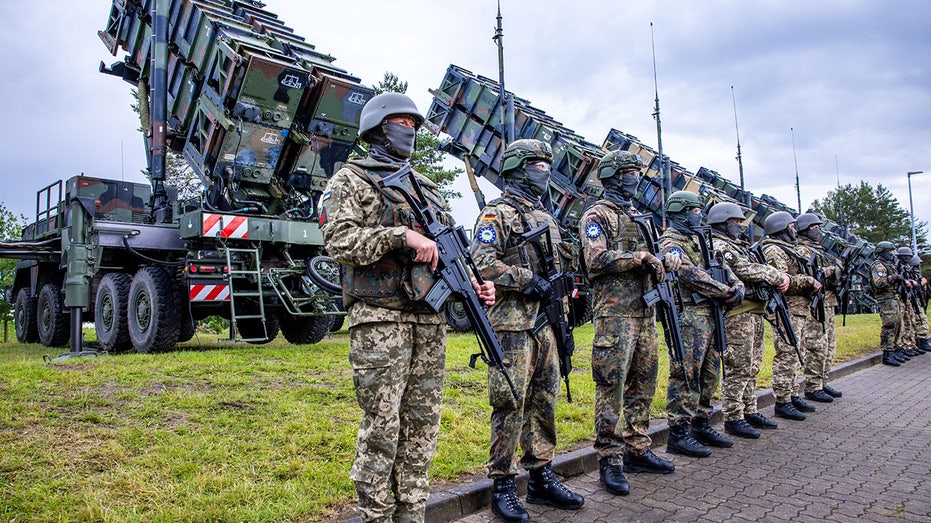
Waltz stated that allied air defense systems have effectively countered Iranian incursions, boasting over a 90% success rate in defending against threats. This showcases the strong collaborative efforts between the U.S. and Gulf allies in maintaining regional security.
Partnerships Beyond the Gulf
In the United Kingdom, Waltz acknowledged the vital partnership in achieving diplomatic isolation for Iran at the United Nations. He noted, however, that the collaboration faced minor logistical challenges, which have now been resolved. The Ambassador’s visit underscored the collective will of Western and Gulf nations to present a united front against Iranian provocations.
Looking Ahead: A Potential Agreement
U.S. officials remain optimistic about reaching an agreement with Iran. Waltz referenced an 85% likelihood of an agreement being formalized within the coming days, indicating a possible shift in the negotiations aimed at curbing Iran’s nuclear pursuits while maintaining pressure through economic means.
The overall sentiment among Gulf allies appears to be one of cautious optimism. The apparent impact of the economic strategies on Iran is palpable, and regional leaders continue to push for a cohesive and strategic approach to countering Tehran’s influence and aggression.
Conclusion
As tensions escalate and new developments arise, the diplomatic efforts led by figures like Mike Waltz mirror a broader U.S. initiative aimed at bolstering relations with Gulf allies while exerting strategic pressure on Iran. Underlining the importance of collaboration, Waltz’s statements paint a picture of a united front ready to face challenges in an increasingly volatile region.