U.S. Ambassador to the UN Advocates for Reform amidst Financial Strain
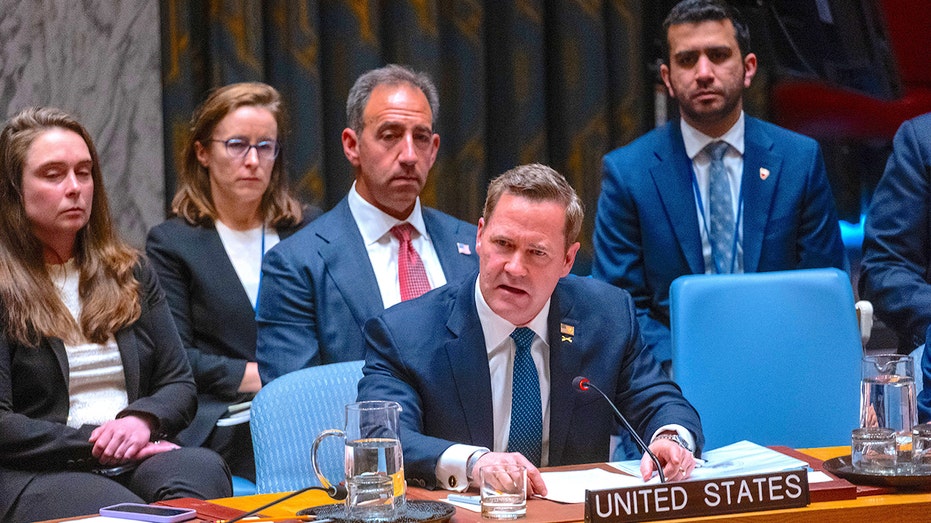
UNITED NATIONS — In a world rife with bureaucratic challenges, U.S. Ambassador for United Nations Management and Reform, Jeff Bartos, recently articulated his vision for transforming the United Nations (U.N.) at a critical juncture. During his 2025 confirmation hearing before the Senate Foreign Relations Committee, Bartos was met with skepticism regarding the potential for effective reform within an institution notorious for its sluggishness, caught between tradition and necessity.
Confirmation Hearing: A Skeptic’s Challenge
When Jeff Bartos, previously a businessman, political candidate, and endurance athlete, was appointed by President Donald Trump, the weight of doubt loomed large. Lawmakers recognized the daunting challenge ahead, strikingly questioning the likelihood of meaningful changes to the U.N. system. “UN reform? That’s an oxymoron if I’ve ever heard one,” was the harsh critique echoed during the hearing.
Fast forward less than a year, Bartos believes the tide is turning. In an exclusive interview with Fox News Digital, he outlined an ambitious plan aimed at revitalizing the U.N., an organization many feel has strayed from its original mission.
A Critical Period for the United Nations
The reforms Bartos champions are timely as the U.N. encounters precarious financial challenges, a decisive moment with the impending selection of a new secretary-general. Member states, particularly under the Trump administration, have been closely scrutinizing budget allocations, signaling a potential pivot for the storied institution. While critical funding questions arise, discussions surrounding U.N. reform are seen as essential to the organization’s survival and relevance.
As financial strains escalate, Secretary-General António Guterres has repeatedly called attention to a crisis stemming from delayed payments from member states, especially those from the United States. The implication from the Trump administration is clear: future U.N. funding will likely be contingent upon demonstrable reforms.
Historic Achievements and Future Goals
Bartos, standing firmly at the forefront of these negotiations, claims progress is evident. He cites what he characterizes as historic achievements at U.N. headquarters: a phenomenal $570 million deduction from the regular budget and a reduction in personnel by 2,900 positions—an unprecedented feat in the past eight decades. “This has never happened before in 80 years,” Bartos emphasized, reflecting on the gravity of the undertakings.
These initial restructurings, Bartos insists, are merely the beginning. As discussions around peacekeeping budgets evolve, the administration aims to streamline missions and eliminate outdated programs. Furthermore, reforms in reimbursement methods for peacekeeping equipment have transitioned to a more responsive model, resulting in annual savings of approximately $30 million by compensating only for utilized assets.
Emphasizing a Culture Shift
Bartos describes this movement towards reform as a vital cultural shift within the U.N.—one that prioritizes efficiency and accountability, particularly concerning taxpayer resources. “It’s a culture change,” he asserts, underlining the necessity for employee compensation and pension reforms, proposing that the U.N.’s benefits allocation could be redirected to bolster humanitarian efforts worldwide.
However, some U.N. officials counter that many reform initiatives began prior to Trump’s administration, highlighting actions taken by Secretary-General Guterres, who initiated the U.N.80 plan aimed at improving operational efficiency.
Nonetheless, Bartos maintains that the momentum behind U.N. reforms has accelerated significantly, influenced greatly by U.S. budget negotiations and strategic leverage. “The U.N. stands at a crossroads,” he warns, noting the palpable financial pressures that Guterres faces with liquidity challenges linked with delayed payments from member states.
The Next Secretary-General and the Reform Agenda
As Guterres prepares for one of the most significant transitions in U.N. leadership, the discourse surrounding reform is becoming inextricably linked with the selection of his successor in 2026. Bartos remains hopeful that the next secretary-general will adopt a foundational approach to revitalize the organization, embracing change as imperative to its future.
Drawing a parallel between his role and the endurance contests he once tackled during Ironman triathlons, Bartos emphasizes that success in this endeavor requires discipline and a long-term focus. His commitment to lasting change is further underscored by his return to public service following his involvement in the wake of the 2023 Hamas attacks on Israel, duly encouraged by his wife. This pivotal moment led him to contribute significantly towards Trump’s reelection campaign and ultimately accept the role of U.N. reform advocate.
Tackling Anti-Israel Sentiment within the U.N.
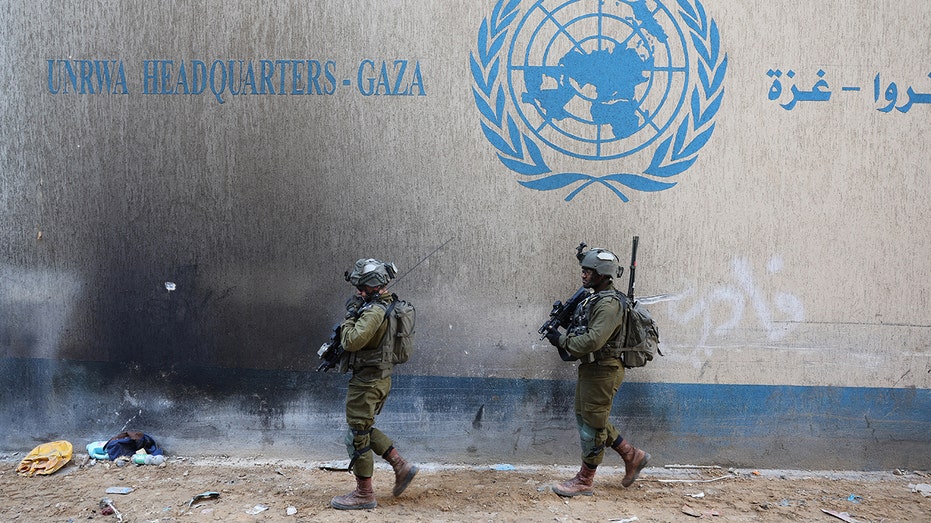
Following his appointment, one of Bartos’ most formidable challenges emerges: addressing the pervasive anti-Israel sentiment within U.N. discussions. This concern comes into sharper focus amid allegations against Israeli forces regarding sexual violence, a situation that prompted Israel to sever ties with Guterres’ office.
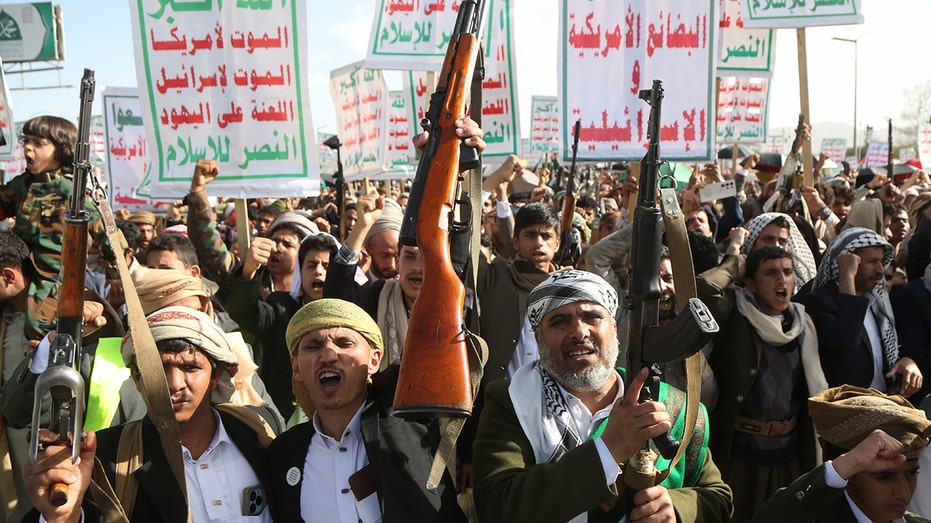
Bartos firmly asserts that anti-Israel perspectives infiltrate numerous U.N. bodies, and he argues that U.S. diplomatic efforts should focus on dismantling this pervasive bias. He highlights the significance of diplomatic engagement, funding choices, and strategic leadership to counter this trend effectively.
Conclusion: The Future of U.N. Reform
Although the U.N. has launched initiatives like the Action Plan to Combat Antisemitism in January 2025, Bartos contends that substantial change remains a work in progress. Efforts to evolve U.N. mechanisms to tackle member states’ concerns effectively are high on the agenda as Bartos pushes forward.
The fate of the U.N. reform agenda, as Bartos asserts, is at a defining moment. Whether or not the institution adapts to meet the demands of its largest financial contributor remains critical. This narrative of reform is only beginning, and as pressures mount, the emphasis on transformation within the U.N. could shape its future trajectory for generations to come.