Israeli Officials Criticize UN for Including IDF in Sexual Violence Blacklist
Israeli authorities have condemned the United Nations for placing Israeli entities on a sexual violence blacklist, alleging unfair treatment and bias towards the nation’s military operations.
UN Report’s Controversial Findings
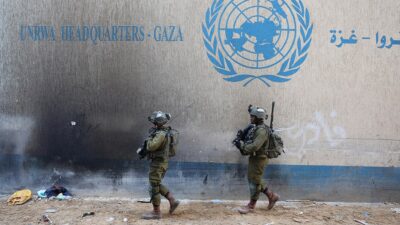
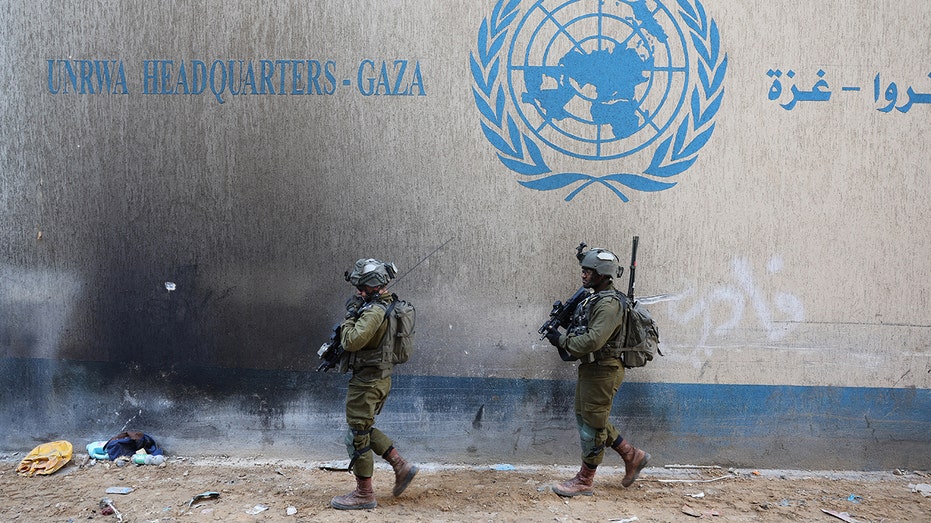
In a recent report on Conflict-Related Sexual Violence, the UN highlighted accusations against the Israel Defense Forces (IDF), the Israel Prison Services, and the border police Counter Terrorism Unit. This report, presented by U.N. Secretary-General António Guterres, included claims of credible suspicions regarding these groups’ involvement in patterns of sexual violence.
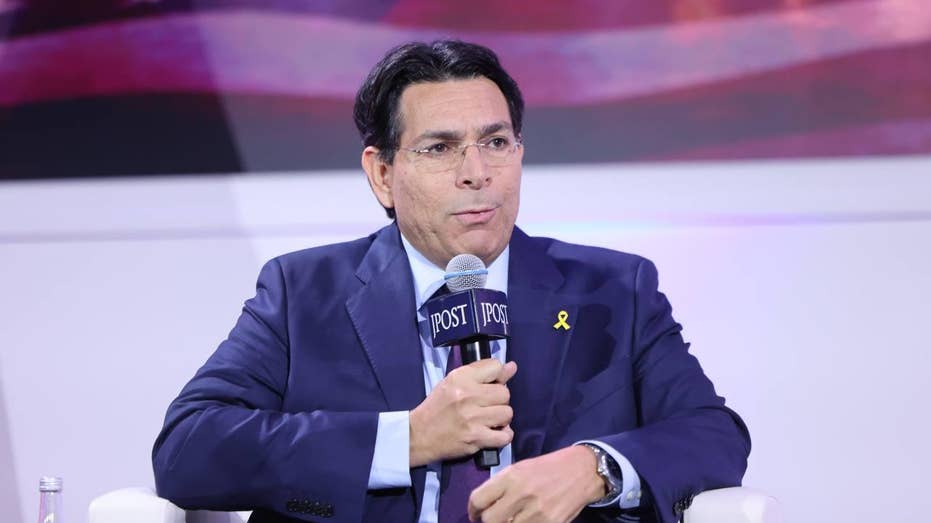
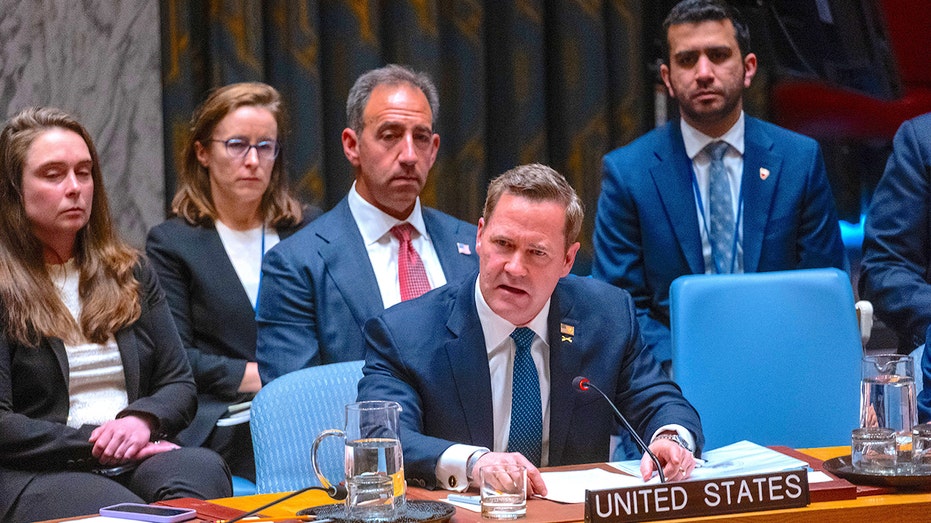
Ambassador to the U.N., Danny Danon, responded sharply to Guterres, branding the inclusion a “moral disgrace.” He openly questioned the Secretary-General’s credibility and accused the UN of failing to differentiate between Israel and terrorist organizations like Hamas.
Israeli Government’s Response
In light of these allegations, Danon’s spokesperson announced a significant decision: Israel would freeze its relations with the U.N. Secretary-General’s office for the duration of Guterres’s tenure. This move signals a rejection of what Israel perceives as unfounded accusations and a politically motivated attack on the country.
Danon further challenged the legitimacy of the U.N.’s claims by extending an invitation to U.N. representatives to visit Israel for an on-ground investigation. However, this overture was reportedly declined by the UN officials.
Accusations of Political Bias
Among the Israeli officials’ accusations is the assertion that the UN’s recent move reflects a larger, ongoing campaign against Israel. This belief is amplified by various previous reports detailing instances of alleged rape and sexual violence associated with Israeli forces. The Israeli Foreign Ministry has gone as far as to threaten legal action against The New York Times over an opinion piece by Nicholas Kristof that criticized Israeli prison guards for similar abuses.
The criticism extends to Guterres himself, with the Israeli Foreign Ministry alleging that he has repeatedly downplayed Hamas’s crimes while exaggerating accusations against Israel.
The Broader Implications of the Blacklist
The inclusion of Israeli entities in the U.N. blacklist raises questions about international perceptions of the Israeli-Palestinian conflict and the complexities surrounding accusations of sexual violence in warfare. The Israeli government argues that this kind of categorization creates a false equivalence between the actions of democratic states and terrorist organizations.
Critics within Israel claim that the UN’s actions not only undermine Israel’s credibility but also complicate the delicate issue of addressing allegations of sexual violence within conflict zones in a fair and factual manner.
Future of Israel-UN Relations
In the wake of this controversy, Israeli officials have announced the intention to sever ties with the U.N. Secretary-General’s office, stating that they will reevaluate their relationship once a new Secretary-General takes office. This decision reflects a broader discontent within Israel regarding perceived biases within international bodies.
The Israeli government continues to advocate for its narrative, emphasizing its commitment to human rights while rejecting allegations it considers unfounded or politically motivated. As the situation evolves, the dynamics between Israel and the United Nations are likely to remain tense, with both sides firmly entrenched in their positions.