Ceasefire in Iran: A Fragile Accord Amid Rising Tensions
Background of Increasing Strife
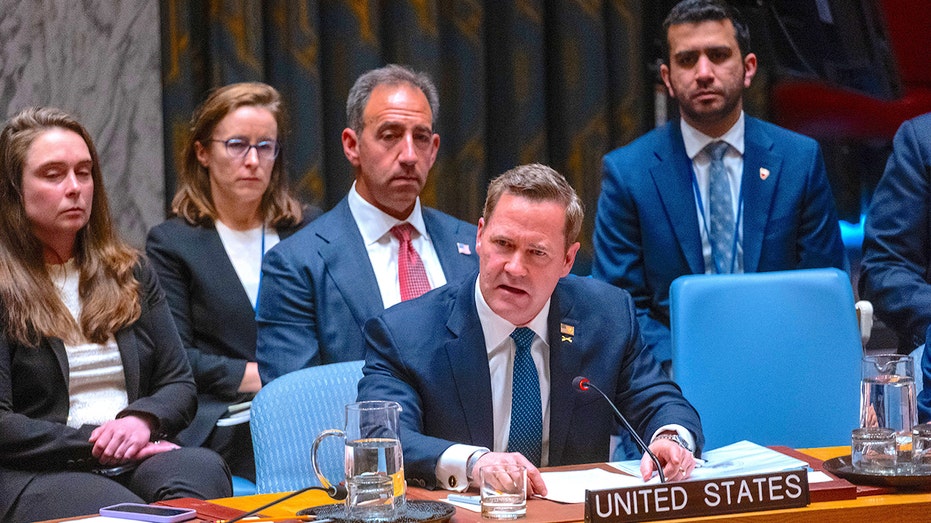
A delicate ceasefire recently emerged in Iran, although many perceive it as tenuous and ineffective. This fragile situation has given some citizens the courage to express their dissent, navigating significant personal risks to do so. As President Donald Trump issued a stark warning about severe retaliation should Iran reject a U.S.-backed agreement, the atmosphere remains charged with escalating military tensions.
Escalation of Military Responses
The backdrop to these developments includes a series of U.S. military strikes, which were initiated following the downing of a U.S. helicopter—an act attributed to Iran by Trump. The retaliatory nature of these attacks has contributed to an already volatile environment, amplifying concerns among Iranians regarding their safety and future.
Inside Iran: Voices of the Oppressed
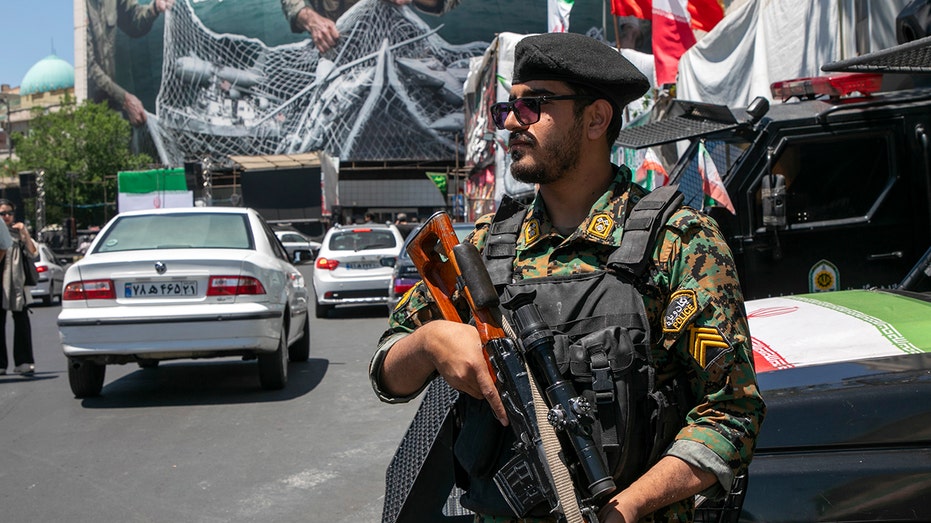
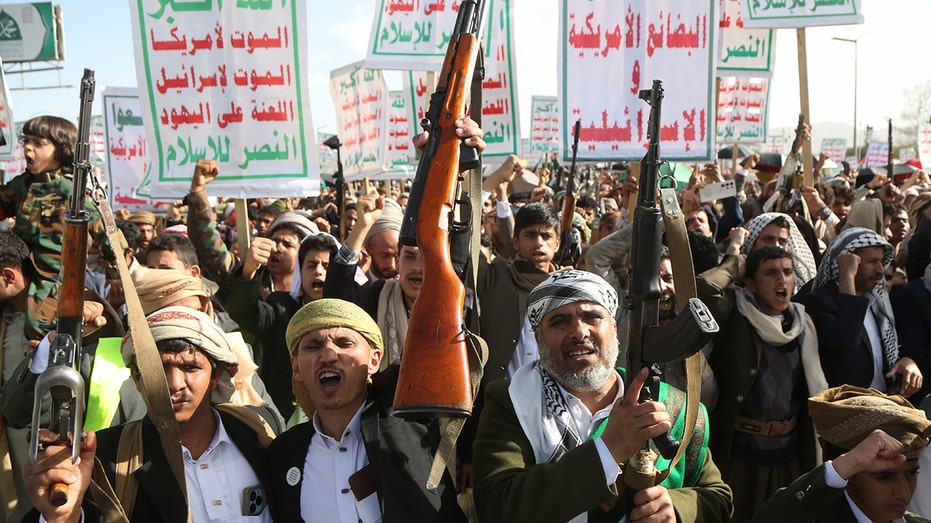
Within Iran, individuals are experiencing a stark increase in repression, exemplified by a rising presence of the Islamic Revolutionary Guard Corps (IRGC) and a deteriorating economic landscape. Many of these citizens have communicated their experiences to Fox News Digital under aliases, citing safety as their primary concern.
Control and Surveillance
The reports highlight a troubling situation characterized by heightened control. Citizens note the establishment of checkpoints, an intensified presence of the IRGC, and stricter enforcement of hijab regulations, creating an atmosphere of fear and constraint.
Economic Hardships
The economic situation is dire, with many families struggling to make ends meet. Iranians describe their burdens: unpaid wages, soaring inflation, and increasing utility costs. Such financial pressures are particularly pronounced among young Iranians, who see a bleak future ahead, potentially leading to a loss of hope for genuine reform or change.
The Call for Change
Despite the grim outlook, a growing sentiment among the populace calls for governmental change, with many rallying around the figure of Crown Prince Reza Pahlavi. They are urging the U.S. to refrain from negotiating with the current clerical regime, in hopes of paving the way for liberation from oppressive rule.
Political Aspirations
There exists a palpable desire for change among the Iranian people. While grappling with the harsh realities of their daily lives, there remains a spirited hope that a combination of internal pressure and external support could facilitate a transition away from the current regime. Many citizens believe that the economic suffering they endure might eventually catalyze the regime’s downfall.
Concerns Over U.S. Policy
As the situation evolves, there are growing concerns regarding U.S. policy towards Iran. Citizens appealing for increased pressure on the regime believe that consistent efforts are essential to support those within Iran who are demanding change. The question remains: can external influence spark the internal transformation that many Iranians so desperately seek?
Conclusion: A Struggling People with Hope
In summary, while the ceasefire presents a momentary pause in Iran’s ongoing crisis, the underlying tensions continue to shape the lives of many. The Iranian populace finds itself caught between a yearning for freedom and the harsh realities of repression and economic hardship. As international eyes remain focused on Iran, the voices of its citizens—seeking change and stability—are more critical than ever.