EXCLUSIVE: Finnish Foreign Minister Elina Valtonen’s Analysis of the Ukraine-Russia Conflict
Strategic Shifts in the Ukraine-Russia Landscape
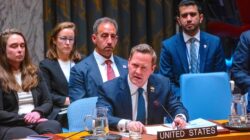
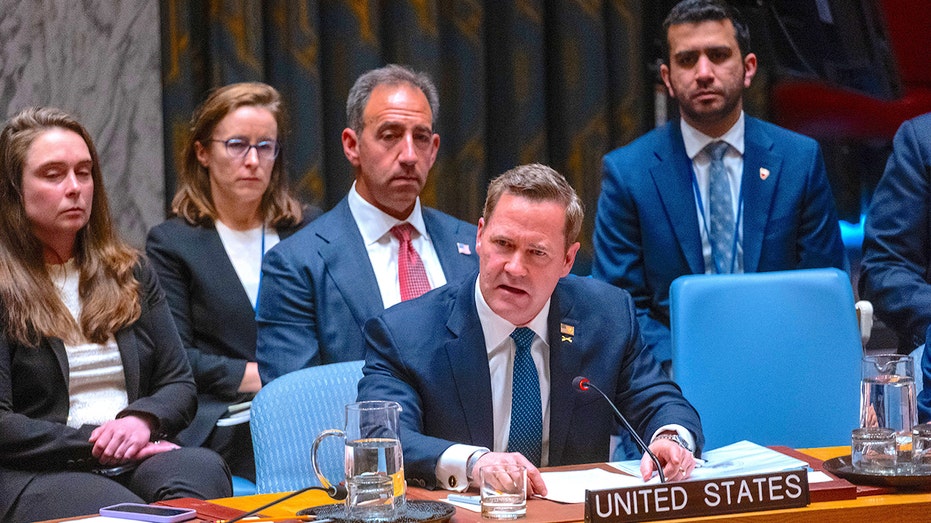
In a revealing interview with Fox News Digital at the United Nations headquarters in New York, Finnish Foreign Minister Elina Valtonen voiced her belief that Ukraine has recently gained a significant upper hand in its ongoing conflict with Russia. Her assessment stems from observations regarding Ukraine’s bolstered military, political, and diplomatic positions in recent months. Valtonen argues that Russia’s current renewed calls for negotiations are intrinsically linked to these advancements on Ukraine’s part.
Finland’s Position as a New NATO Member
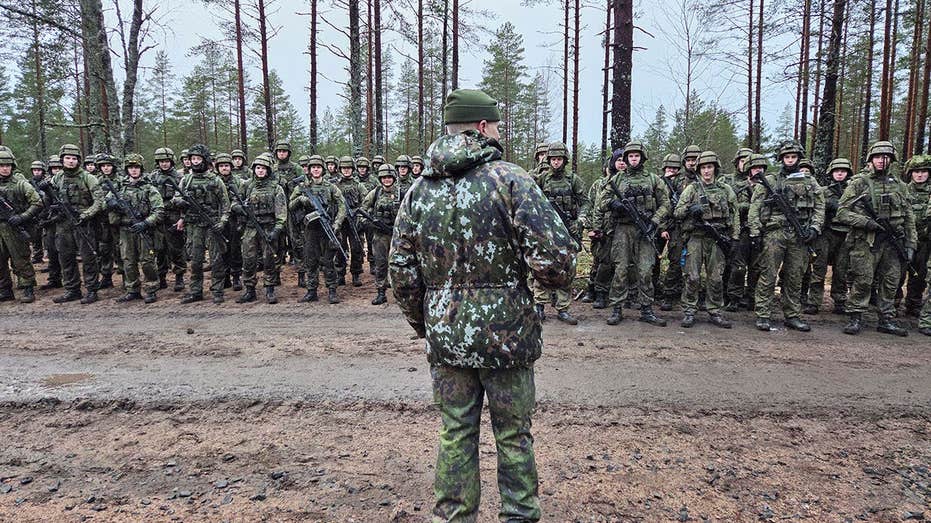
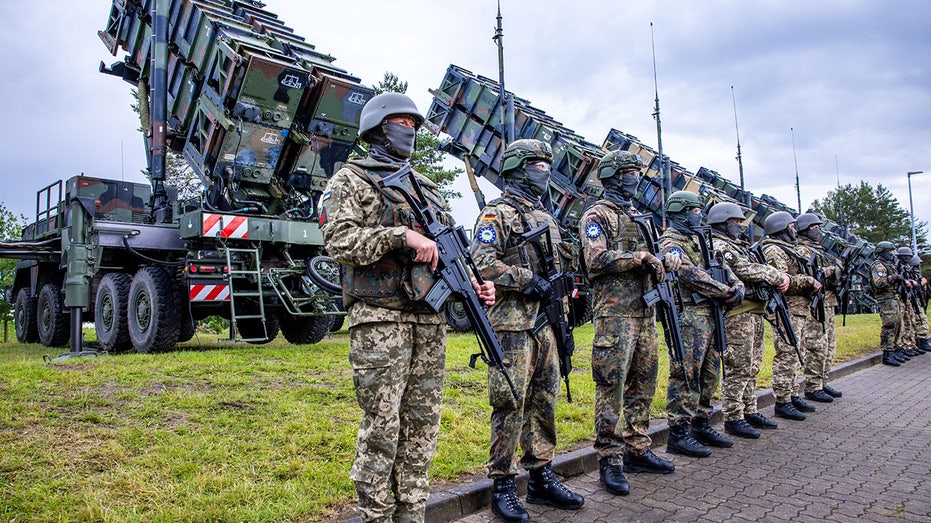
Finland’s strategic significance in the NATO alliance cannot be overstated, particularly following its membership in April 2023 after Russia’s full-scale invasion of Ukraine, which effectively ended its long-standing policy of military nonalignment. Sharing the longest border with Russia among NATO members, Finland’s entry into the alliance has fortified Europe’s overall security framework.
Ukraine’s Military Gains and Diplomatic Momentum
“Ukraine certainly is now holding the cards,” Valtonen stated, citing recent developments where Ukraine’s military reportedly reclaimed over 600 square kilometers (approximately 230 square miles) of territory. This change in the dynamics of territorial control highlights Ukraine’s tenacity and military effectiveness despite facing Russian advances previously. Moreover, Valtonen noted that diplomatic efforts are also gaining traction, illustrated by Ukrainian President Volodymyr Zelenskyy’s willingness to consider negotiating a halt to hostilities, contrasting with President Vladimir Putin’s outright refusal to engage in talks with Zelenskyy.
The Kremlin’s Stance and the Road to Peace
Valtonen expressed concerns over Russia’s obstinacy, emphasizing that the Kremlin has not shown any inclination to make concessions necessary for peace talks. According to her, ending the conflict lies squarely with Russia, which initiated the war. “Russia hasn’t been willing to make any concessions, and essentially Russia could end the war today if they wanted to, because it was their war in the first place,” she stated, displaying hope that the current circumstances might create an opportunity for renewed dialogue.
Core Disagreements Hinder Peace Efforts
Despite the potential for negotiations to resume, the path to peace remains fraught with challenges. Central to the discord is a fundamental disagreement over ceasefire terms. Ukraine seeks negotiations that allow for a ceasefire without surrendering its territories, while Russia insists on asserting control over the regions it occupies. This impasse was highlighted by Putin’s earlier dismissal of Zelenskyy’s meeting proposal, where he reiterated Russia’s broader war ambitions.
The Role of the United States and Global Engagement
On the subject of U.S. involvement in mediating a resolution, Valtonen acknowledged Washington’s supportive role, stressing the importance of a continuing American presence in the process. “The U.S. involvement in this entire process has been very good, and it’s important that the U.S. stays engaged because it’s about freedom, the future of Europe, and global peace,” she conveyed. Furthermore, she asserted that Europe must engage actively, recognizing that the ramifications of Russia’s actions extend far beyond Ukraine’s borders and affect the entire continent’s security architecture.
The Necessity for a Ceasefire
For any substantial negotiations to take place, Valtonen insisted that Russia must first demonstrate a commitment to a full ceasefire. “First and foremost, we would need Russia at the table willing to end the war,” she explained, indicating that genuine negotiations can only occur in an atmosphere devoid of active hostilities.
Heightened Defense Initiatives in Finland
Valtonen’s perspective on the regional security landscape is also shaped by Finland’s own measures to bolster defense capabilities. Acknowledging former President Donald Trump’s efforts urging European allies to increase defense spending, she noted Finland’s initiative to ramp up its defense budget to 3.2% of GDP by 2030, increasing from 2.5% in 2025. This adjustment signifies a strategic shift in NATO dynamics and highlights Finland’s proactive stance on national and regional security.
Finland’s Historical Context with Russia
Valtonen’s views are heavily influenced by Finland’s historical experiences with Russia. “Finland obviously has taken the Russian threat extremely seriously because we have the longest border with them,” she stated, reinforcing the urgency surrounding the need for effective deterrence based on past conflicts, such as the invasion attempt during World War II. “The last time Russia tried to invade was during the Second World War… investing in deterrence signals Russia not to come here,” she emphasized.
International Dynamics: The Situation in Iran
In addition to the situation in Ukraine, Valtonen addressed recent tensions involving Iran, clarifying Finnish President Alexander Stubb’s statements asserting that NATO as an organization is not directly engaged. She underscored that European nations carry a responsibility to alleviate threats in the region, especially amidst a complex backdrop of increased hostilities, missile strikes, and evolving nuclear concerns.
Finland’s continued collaboration with France and the UK aims to ensure the Straits of Hormuz remain unweaponized, which is critical for global maritime security.
Concluding Thoughts
In reflecting upon Finnish contributions to U.S. efforts regarding regional security and military operations, Valtonen confirmed that while Finland does not host U.S. military bases, it actively supports U.S. initiatives. “Finland has been helping the U.S. in many ways,” she remarked, detailing the overall responsiveness of European allies to U.S. strategies. As Europe navigates these tumultuous geopolitical waters, Finland’s positioned insights may prove crucial in molding upcoming dialogues and potential resolutions concerning major security challenges.