Breaking the Chains: The Fight Against Bonded Labor in Pakistan
In January, Idaho resident Aaron Hutchings embarked on a journey that would change his life and the lives of many others in Pakistan. What began as a personal visit quickly evolved into a mission to liberate families trapped in the cycle of bonded labor. His story is a testament to the struggles faced by many Pakistani Christians, who find themselves laboring under severe social and economic pressure.
A Shocking Discovery
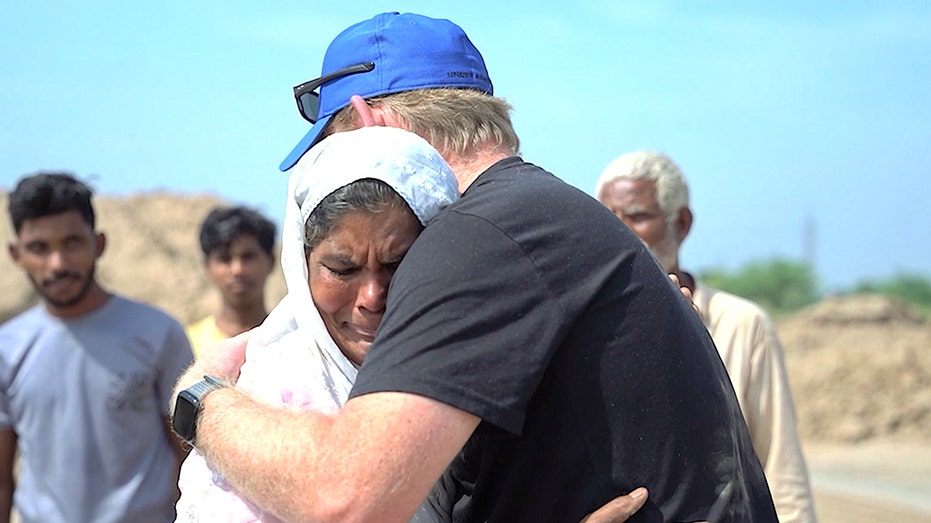
During his visit to a brick factory in Pakistan, Hutchings was confronted with a grim reality: children were working tirelessly in the sweltering heat to help pay off debts that spanned generations. Shocked and deeply moved, Hutchings took swift action. Within hours, he managed to free two enslaved Christian families by settling their debts, breaking the long-standing cycle of bondage that had gripped their lives.
The Scale of Bonded Labor
Hutchings’ experience highlights a broader issue faced by the Christian community in Pakistan. According to Emma Hall, a representative of the charitable organization Open Doors U.K. and Ireland, nearly one million Christians—or about 30% of the Pakistani Christian population—are trapped in bonded labor. Hall points to extreme poverty as a driving force behind this cycle, as families often feel compelled to accept advance loans that lead to inescapable debt bondage.
Emmanuel Hernandez: A Similar Journey
Emmanuel Hernandez, who initially traveled to Pakistan to meet his future wife, shared a similar shock when he encountered bonded labor in the brick industry. Witnessing firsthand the plight of these families, Hernandez made a commitment to rescue at least one family each year. This dedication culminated in the establishment of Project Jubilee—a nonprofit organization founded in January 2025, which has already liberated over 300 families from slavery with the help of public donations.
A Focus on the Most Vulnerable
While Project Jubilee aims to assist any bonded individual, regardless of background, Hernandez noted a significant trend: 98% of those rescued are Christians. This disproportionate figure stems from their marginalized status as second-class citizens in Pakistani society. To support the average cost of assisting a family—approximately $8,500—funds are allocated not only for debt repayment but also for legal fees, housing, food, education, and other vital resources to ensure a successful transition to a liberated life.
Challenges in Securing Freedom
Securing the release of bonded laborers is fraught with complications. Factory owners occasionally agree to release laborers after debts are repaid, yet there are often restrictions on the number of families that can be freed at any time. In late 2025, Hutchings and Hernandez joined forces for a freedom mission in Pakistan, where Hutchings was further inspired to create his own nonprofit organization, the Intentional Faith Foundation, to support this important cause.
Continued Efforts and Challenges
Hutchings returned to Pakistan in May for a second trip, where he successfully liberated ten more families. His efforts gained national attention after a viral video of the rescue was shared, resulting in additional funds raised for future initiatives. Despite the existence of laws against bonded labor in Pakistan since 1992, enforcement of these laws remains weak, as highlighted by Emma Hall.
Persistent Discrimination
During his missions, Hutchings faced various challenges, including housing difficulties. In many cases, landlords outright refused to rent to Christians, further complicating the already tenuous situation for freed families. Fortunately, a dedicated Pakistani Christian organization came to their aid, providing housing, job opportunities, and educational resources for children, most of whom had been denied schooling and were illiterate.
Government Response and Reflection
The Pakistani government’s response to inquiries regarding bonded labor and the treatment of religious minorities has been minimal, raising concerns about the seriousness with which these issues are addressed. However, both Hutchings and Hernandez reported a lack of interference from authorities during their missions, enabling them to continue their work relatively unencumbered.
The Personal Impact of the Mission
Reflecting on his transformative experiences in Pakistan, Hutchings expressed a strong belief in divine guidance. He noted that the mission, which was fundamentally aimed at demonstrating Jesus’ love, profoundly enriched his own life. Through his efforts and those of many others, hope continues to rise for the countless individuals still ensnared in the brutal grip of bonded labor.
A Call to Action
The plight of bonded laborers in Pakistan demands global attention and action. Organizations like Project Jubilee and the Intentional Faith Foundation stand as beacons of hope in the fight against this injustice. As more individuals become aware of the harsh realities faced by these communities, the potential for change grows. Collective efforts can lead to more significant outcomes, ultimately contributing to a world where freedom and dignity are afforded to all, regardless of their faith.