Raúl Castro Indicted: A New Chapter in U.S.-Cuba Relations
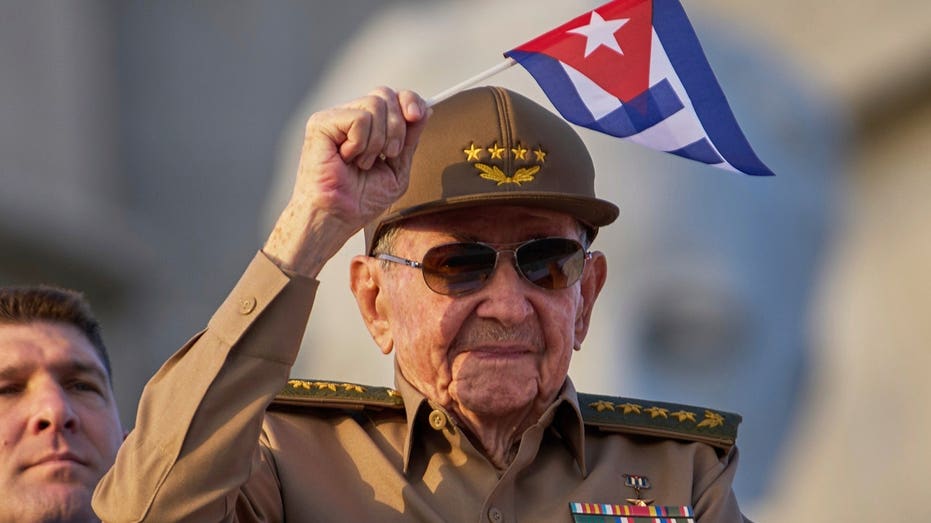
In a notable turn of events, former Cuban leader Raúl Castro has made a public appearance, his first since the Trump administration leveled charges against him. This development comes in light of an indictment concerning a long-standing incident from 1996 that has continued to resonate within the realm of U.S.-Cuba relations.
The 1996 Incident: A Historical Context
The charges against Castro relate to a tragic occurrence when Cuban military aircraft allegedly shot down two planes belonging to the exile group Brothers to the Rescue. This brutal act resulted in the deaths of four Cuban American men: Carlos Costa, Armando Alejandre Jr., Mario de la Peña, and Pablo Morales. These men were actively involved in efforts to assist those fleeing Castro’s regime, making their loss particularly poignant for the Cuban American community.
Public Appearance Amid Accusations
Castro’s recent appearance on state TV was during an event hosted by the Interior Ministry in Havana. This broadcast marks his first public engagement since the announcement of the indictment, which had stirred discussions on a potential shift in U.S. policy towards Cuba under President Donald Trump.
Prior to this event, Castro had last been seen during Havana’s May Day celebrations. At 95 years old, his public engagements have become less frequent, calling attention to his health and the ongoing stability of the Castro legacy.
The Indictment: U.S. Government Actions
The indictment, revealed weeks before Castro’s appearance, has significant implications. The U.S. Department of Justice explicitly named Castro in connection with the aircraft downings. This legal action sends a clear signal regarding accountability for actions taken during his time in leadership.
Trump’s administration has previously hinted at regime change in Cuba, a strategy that echoes the U.S. stance on other Latin American countries governed by leaders such as Nicolás Maduro in Venezuela. The indictment serves not only as a legal action but as a broader message of U.S. resolve to the Castro regime and its influence in the region.
Reactions From Cuban Americans and Officials
President Trump publicly praised the indictment, portraying it as a beacon of hope for Cuban Americans who have long called for accountability from the Castro regime. His comments suggested that the U.S. government would seek to hold leaders accountable for actions that have historically oppressed Cuban citizens.
As tensions in the Caribbean rise, the Trump administration seems committed to ensuring that these developments do not escalate further. This assertion is crucial as the U.S. navigates its foreign policy amidst growing concerns about security and human rights in Cuba.
Expert Opinions and Implications
Political analysts highlight that the indictment of Raúl Castro indicates a strategic maneuver by the Trump administration, similar to tactics previously employed against other leaders who have defied U.S. interests. Experts suggest that this move could reinforce the United States’ position against human rights violations while maintaining pressure for political reform within Cuba.
The implications of this indictment resonate beyond legal ramifications. It prompts discussions about the future of U.S.-Cuba relations, particularly in light of the ongoing struggles faced by Cuban citizens and the influence of the Castro legacy.
Conclusion
The indictment of Raúl Castro, coupled with his recent public appearance, has brought renewed focus on Cuba’s complex political landscape. With the U.S. government’s stance seemingly more assertive under Trump’s administration, the potential for significant shifts in policy could alter the decades-long dynamic between the two nations.
As history unfolds, the eyes of both nations remain keenly focused on how these developments will shape the future of Cuba and its leadership, as well as the impact on the lives of those in the Cuban American community who have endured the long-lasting effects of the Castro regime.