National Association of Muslim Police Faces Backlash Over Controversial Paper
Controversy Surrounding Policy Paper
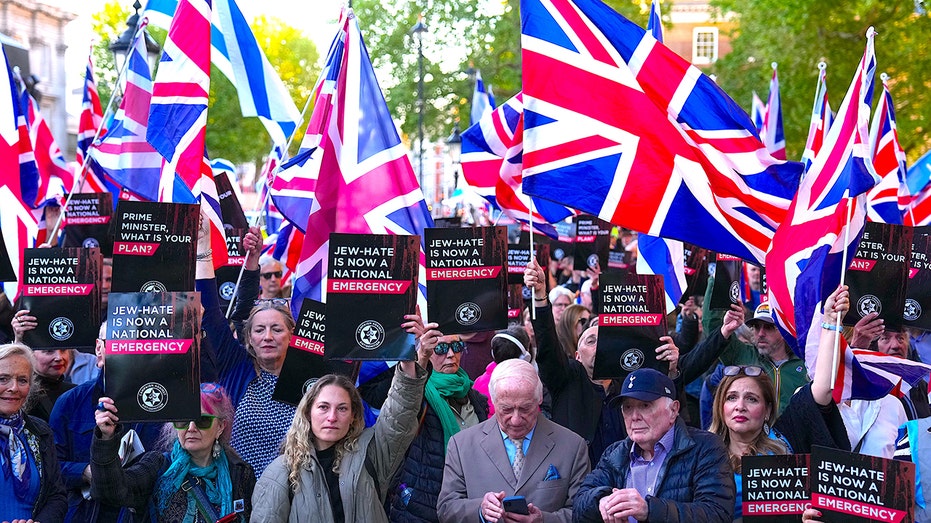
The National Association of Muslim Police (NAMP) has come under significant scrutiny following the revelation that a policy paper it endorsed contains what critics have labeled “antisemitic lies.” The organization is also facing allegations of being “infiltrated or controlled by Islamists.” This controversy emerges against the backdrop of the ongoing criticisms of British policing, particularly regarding perceived disparities in handling anti-Israel and pro-British demonstrations.
The Contentious Document
The contentious paper, titled From Past Prejudices to Present Policies: Confronting Anti-Muslim Hatred and Promoting Human Rights, was recently unearthed by The Spectator. In it, Khaldoun Kabbani, who served as NAMP’s Vice President at the time, characterizes Zionism as “a narrow, nationalist, and colonialist viewpoint that fosters anti-Muslim hatred,” drawing a stark contrast with the teachings of Judaism that he claims are more inclusive and compassionate.
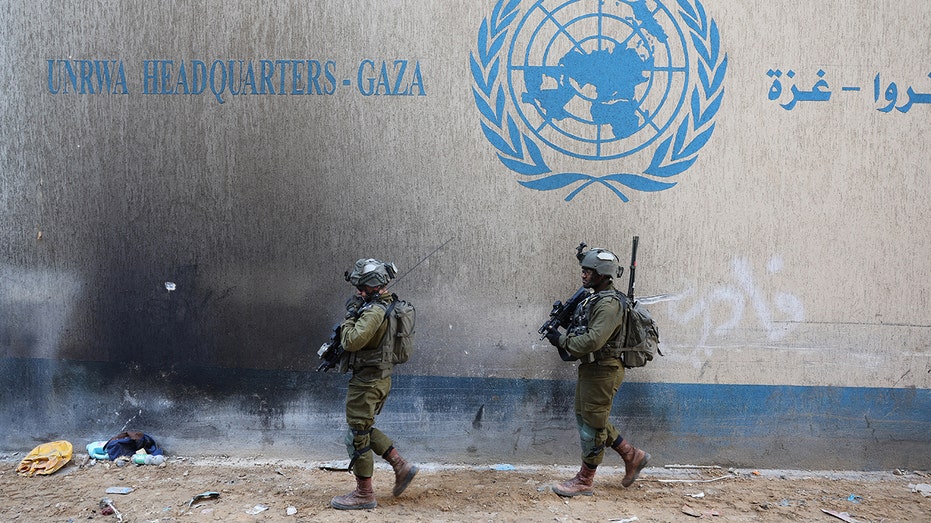
The document further incites controversy by labeling the Israel Defense Forces (IDF) a “Zionist terrorist group.” Kabbani posits that actions undertaken by the IDF following the deadly attacks of October 7 would eventually be recognized as terrorism, albeit without acknowledgment of the Jewish faith’s context. Notably, this paper has been expunged from the web but can still be accessed through archives like Wayback Machine.
Accusations of Antisemitism
Andrew Fox, a senior associate fellow at the Henry Jackson Society, criticized the content of the paper, remarking that it is rife with “antisemitic lies and blood libels.” He underscored the potential dangers of such rhetoric in light of the rising tide of antisemitism.
Kabbani’s paper argues for the need to “dismantle myths through education,” yet presents controversial claims about the Hamas attack on October 7 without citation. For instance, Kabbani highlights the unverified narratives circulating in Israeli and Western media, particularly regarding alleged violence by Hamas, suggesting these reports have been catalysts for increased hatred towards Muslims.
Divergent Accounts of Violence
Echoing the criticism, Dr. Chen Kugel, head of the National Center for Forensic Medicine in Israel, stated that many of the bodies of the October 7 victims, including those of infants, were charred beyond recognition—though he refrained from conclusively stating the circumstances of their deaths.
Moreover, Kabbani contends that claims of 120 children’s deaths due to Hamas assault are misleading, asserting that reports later confirmed that only one child’s death occurred in the aftermath of the attack—attributed to IDF gunfire. This assertion stands in stark contrast to reports released by the United Nations Office for the Coordination of Humanitarian Affairs (OCHA), which indicate that at least 29 of the fatalities identified by October 25 were indeed children.
Calls for Accountability
Stephen Silverman, Director of Investigations and Enforcement at the Campaign Against Antisemitism, has called the NAMP document “evidence” of infiltration by extremist ideologies, urging immediate investigations into those responsible for its publication. He called for accountability within the ranks of police forces across the UK, emphasizing that those involved should face disciplinary actions.
Lack of Response from Authorities
The National Police Chiefs’ Council has yet to address questions regarding their stance on the NAMP’s policy paper, including whether any action would be initiated in response. Additionally, inquiries made to both NAMP and the British government yielded no responses.
Impact on Public Trust
Highlighting the alarming rise of antisemitism in the UK, Andrew Fox emphasized that the contents of the NAMP’s policy document are “grossly inappropriate.” He articulated concerns that while minority groups should engage in constructive dialogue with police to address their issues, having a divisive organization like NAMP could undermine public trust. Fox advocates for a cessation of police collaboration with such groups, urging immediate measures to prevent further deterioration of public confidence in law enforcement.