Ceasefire and Conflict: Life on Israel’s Northern Border
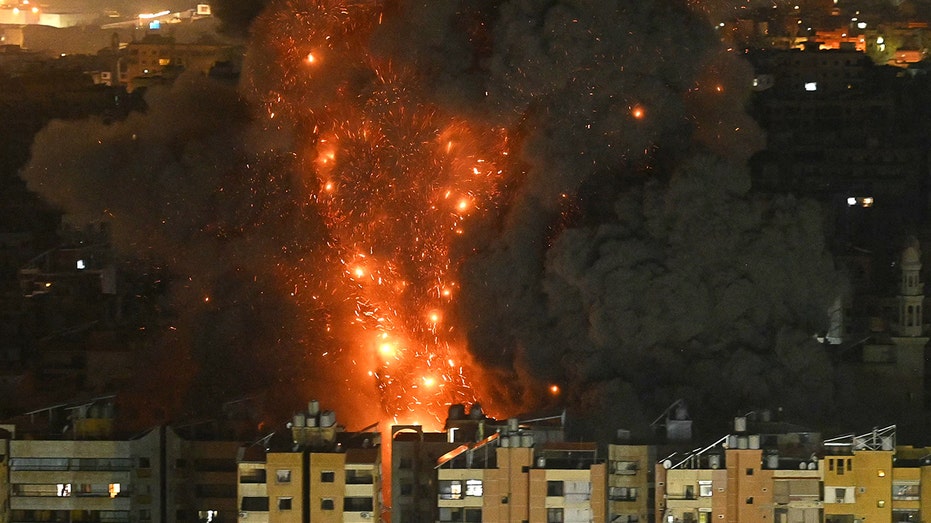
Two days after a ceasefire was declared between Israel and Hezbollah, Yulia Bar-Dan stood outside her temporary home in Kibbutz Manara, located in northern Israel. It was a seemingly ordinary day, yet as she listened to the sound of an interceptor overhead, she was struck by an ominous familiarity. “There will probably be another siren soon,” she noted, precognizant of the alerts that seemed to have become a rhythmic part of daily life. Shortly thereafter, her phone buzzed with a warning, instructing residents in northern Israel to seek cover once more.
A Persisting Reality of Conflict
This is the current state of existence along Israel’s northern border, nearly two years after Hezbollah actively joined the conflict against Israel, which began on October 8, 2023. In response to Hezbollah’s increased involvement, particularly as it supports Iran, the United States has initiated efforts aimed at extending the ceasefire into a broader agreement for Lebanon. An array of discussions between Israeli and Lebanese officials has unfolded in Washington, with President Donald Trump frequently announcing ceasefire understandings in an effort to restore calm along the troubling border. Yet, for residents of communities like Manara, the barrage of rockets and drones, coupled with the overarching uncertainty, persists unabated.
An Elusive Sense of Normalcy
“A ceasefire is supposed to be mutual,” Bar-Dan commented, voicing the frustrations shared among many. “It’s not like Hezbollah keeps attacking us, and we just absorb it.” In December 2024, during an earlier round of conflict, Fox News Digital first spoke with Bar-Dan as she and her family fled their home, cramming into a single hotel room in anxiety-laden uncertainty regarding their future. Now, almost 200 of the kibbutz’s original 280 residents have returned, yet many, including Bar-Dan’s family, are unable to reside in their homes due to the extensive war damage inflicted upon them. Despite continuous proclamations of ceasefire agreements, the elusive nature of normalcy remains elusive for these residents.
Challenges of Daily Life
“There hasn’t been a routine or quiet day since February,” Bar-Dan lamented, reflecting the pervasive unease felt within the community. Schools had reopened in early June; however, Bar-Dan chose to keep her children at home, acutely aware of the risks involved with school bus rides. “What if there’s a siren on the way? I can’t take that chance,” she stated, underscoring a harrowing reality that hangs like a cloud above their daily lives.
Disconnect Between Ground Realities and Politician Narratives
Residents like Bar-Dan express growing frustration and a sense of disconnection between their lived experiences on the ground and the narratives spun by political leaders. “It doesn’t matter where the decisions are made,” she remarked. “They need to align with reality. Currently, there’s a decision, but reality is completely different.”
A year and a half after the majority of Manara was evacuated amidst fears of a Hezbollah invasion, community leader Yochai Wolfin reflected on the local sentiment regarding their plight, coining the term “the ceasefire war.” This phrase has become emblematic of the community’s experience—first came evacuation, then a return home, followed by three months of enduring “fire within a ceasefire.”
Children in Shelters
The escalating uncertainty has become an entrenched part of daily life. Many children participate in classes held inside shelters; however, parts of the kibbutz still lack adequate protected rooms. Construction projects remain stalled, with contractors hesitant to operate near the border. A prevailing concern among residents is the fear that temporary measures might evolve into a permanent state of affairs. “The fear isn’t today,” Naor Shamia, head of Manara’s emergency response team, articulated. “The fear is that this becomes years. We’re in a deadlock.”
Regional Tensions and Local Concerns
Similar sentiments are echoed across the border region. In Adamit, Yael Cohen-Arazi articulated the jarring contrast between her picturesque surroundings and the constant threat looming over her family life. “Every morning, I think I’m in paradise,” she said, describing her surroundings. “Then the explosions shake my soul.” Her children have lived under such unrelenting threat that they hardly know what normalcy should feel like. “I tell them some children don’t live like this,” she explained, recognizing the deeply ingrained reality of fear that colors their upbringing.
Enduring the Conflict
Back in Manara, another alert disrupted the afternoon calm. Bar-Dan reflected on her emotional journey through this crisis, noting that she has transitioned from anger to fatigue and sadness. “I feel for the soldiers,” she said. “Every day there’s another casualty, yet there’s still no solution.” Despite these challenges, Bar-Dan remains resolute, expressing a deep commitment to her community. “This is our home,” she asserted. “Someone must live on the borders of this country.” Almost prophetically, another explosion echoed nearby, reaffirming the stark reality faced by Bar-Dan and countless others along this divided frontier.