Expansion of U.S. Sanctions on Cuba: A Comprehensive Overview
The Sanctions Landscape
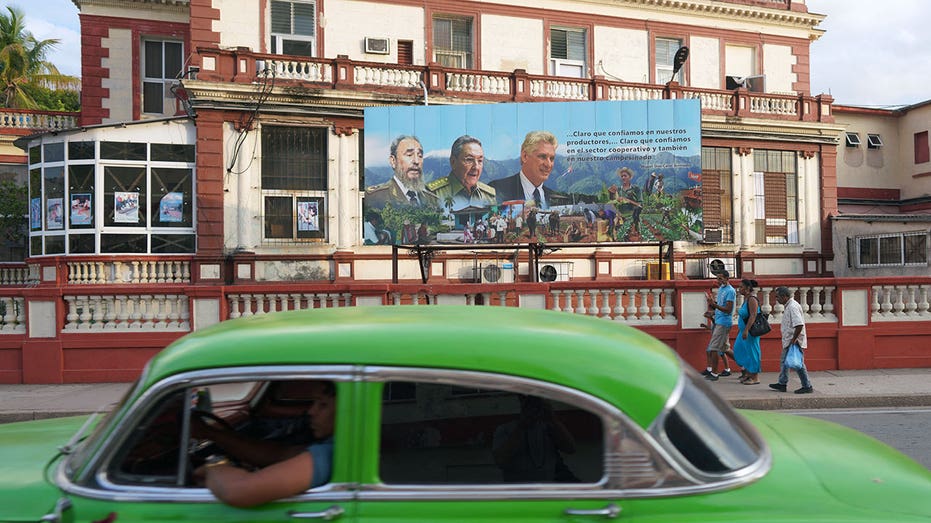
The Trump administration has undertaken what experts describe as the most consequential expansion of U.S. sanctions on Cuba in decades. This significant policy shift extends beyond the borders of Havana, encompassing foreign companies and banks operating in association with Cuba’s military-linked economy. The aim is to tighten the grip on Cuba’s economic activities, particularly those associated with the military, which plays a central role in the nation’s economic framework.
Details of the Executive Order
On May 1, President Donald Trump signed an executive order that explicitly expands sanctions to foreign entities that engage with the Grupo de Administración Empresarial S.A. (GAESA), a powerful conglomerate with close ties to the Cuban military. This strategic move is seen by supporters as a method to close existing loopholes that previously allowed for foreign investment in Cuba’s economy. The intention is to make it increasingly challenging for foreign investment to bolster the military-linked sectors of the Cuban economy.
Impact on Foreign Partners
The ramifications of these sanctions extend to foreign companies that have dealings with GAESA. Following the sanctions, these companies face significant risks, particularly post-June 5, when compliance with the new regulations will be critically enforced. The U.S. State Department’s push to sanction GAESA underscores the administration’s objective to stymie any financial benefits that may arise for the Cuban regime through foreign partnerships.
Support and Criticism
The expansion of these sanctions has garnered support from factions within American politics who argue that it is a necessary step in applying pressure to the Cuban government. Supporters assert that tightening the economic noose could lead to political change in Cuba. However, this perspective clashes with that of critics who warn that such measures could significantly exacerbate the humanitarian crisis faced by ordinary Cubans without bringing about the intended political ramifications.
Critics of the sanctions argue that the primary beneficiaries of the current situation are the military and government elites, while the general population continues to grapple with dire economic conditions. Many believe that these new sanctions only serve to entrench the hardships faced by the Cuban people, potentially fueling further migration crises as desperate conditions drive individuals to seek refuge elsewhere.
The Humanitarian Perspective
Concerns have been raised about the humanitarian impact of the sanctions. While the U.S. government contends that the ultimate responsibility for the suffering of the Cuban people lies with the Cuban government itself, many humanitarian organizations argue that the sanctions disproportionately affect the most vulnerable populations. The debate centers on whether the U.S. strategy is truly aimed at encouraging change or merely inflicting hardship on everyday citizens.
As the debate rages on, the humanitarian implications remain a critical focal point. Proponents of lifting or easing the sanctions argue that facilitating trade and assistance could improve living conditions for Cuban citizens, potentially leading to greater political engagement and reform.
Conclusion: A Divided Discourse
The implementation of expanded U.S. sanctions on Cuba has ignited a multifaceted discussion regarding the effectiveness and ethical implications of using economic pressure as a tool for political change. Supporters of the sanctions view them as a necessary strategy to undermine the military’s grip on power, while critics caution against the potential for increased suffering among the Cuban populace.
As the situation evolves, the international community will be closely monitoring the impacts of these sanctions, both on Cuba’s economy and the humanitarian conditions faced by its citizens. The polarized views on this issue highlight the complexities of international diplomacy and the intricate relationship between foreign policy and human welfare.